Decluttering Before a Move: Timeline, Pro Tips, Checklist
Moving exposes everything you own. The hard part isn’t boxes—it’s deciding what’s worth hauling, what to donate, and when to start so you’re not packing at midnight. Pack before you purge, and you just relocate clutter.
The fix: a step-by-step plan with dates, clear keep/toss rules, proven methods, and fast offloading. Follow it to cut costs, speed packing, stage better, and arrive with only what you use and love.
This guide gives you an 8-week timeline (plus a 3-week fast track), supply list and station setup, room-by-room checklists, a “don’t move” list, quick sell/donate options, pack-as-you-purge tips, and a final-week sweep—so you can start today.
Step 1. set your move date, goals, and decluttering rules
Set your move date, then work backward to assign weekly decluttering targets. Define your goals—how much to reduce, what fits the new space, and how you want it to feel. Write your WHY and keep it visible; decluttering before a move gets easier when every decision supports your vision.
- Move-out test: Would I pack, haul, and unpack this?
- Use/love rule: Keep only what you used last year or truly love.
- Duplicates: Keep the best; donate or sell the extras.
- Condition: Broken, expired, or stained? Recycle, toss, or dispose responsibly.
Step 2. gather supplies and set up your decluttering stations
Before you touch a closet, build a simple assembly line for decluttering before a move so decisions move, not pile up. Pre-label containers, park them where you’ll work, and run 20‑minute sprints. Handle each item once, route it instantly, and pack “keep” items tight and labeled.
- Four bins: Keep, Donate, Sell, Trash (plus clear bags).
- Packing kit: tape, markers, labels, box cutter.
- Staging spots: donate by the door; trash/recycling by exit.
Step 3. choose your decluttering timeline (8-week standard or 3-week fast track)
Match your plan to your move date and energy. A defined timeline keeps decisions tight and prevents last‑minute packing of clutter. Block sessions on your calendar now and pair each zone with an offload deadline so items actually leave the house.
- 8‑week standard: 3 sessions/week (60–90 minutes); move from low‑use to high‑use areas; schedule weekly donation pickups; only pack what passes your rules.
- 3‑week fast track: Daily 45–60‑minute sprints plus one weekend power block; skip selling—donate/recycle; pack‑as‑you‑purge; pre‑book one junk/recycling pickup and one donation run.
Step 4. pick your methods (four-box, move-out method, 20/10, cardboard box test)
Choose one primary method to drive decisions and a pace method to stay consistent. These simple, evidence-backed approaches keep you moving and curb second‑guessing. For decluttering before a move, pair a sorting system with timeboxing, and keep a low‑friction fallback for “not sure” items you don’t want to ponder.
- Four-box method: “Keep/Donate/Sell/Trash” bins; handle each item once; no “maybe” allowed.
- Move-out method: Empty the space, decide what you’d truly move, clean, then reload.
- 20/10 method: Work 20 minutes, rest 10; repeat; prevents burnout and decision fatigue.
- Cardboard box test: Box maybes, date it (three–nine months); unopened by deadline? Donate.
Step 5. start with easy wins, then tackle storage hotspots and sentimental items wisely
Start with easy wins—low‑emotion zones—to build momentum. Then tackle storage hotspots (closets, pantry, under beds, garage shelves) where duplicates and “just‑in‑case” items hide. Save sentimental stuff for last. Timebox decisions, stick to your rules, and use the move‑out test. When emotions spike, switch to the cardboard box test and curate a small best‑of keep pile aligned to your new‑home vision.
- Easy wins: expired pantry/bath, junk drawer, worn linens.
- Hotspots: seasonal decor, under‑bed boxes, duplicate gadgets.
- Sentimental: one‑bin limit; display a few; box‑test the rest.
Step 6. room-by-room declutter checklists (kitchen, closets, bedrooms, bath, office, garage)
Use these quick-hit checklists to clear each room fast. Begin with low‑use areas, pack only keepers as you go, and route donate/recycle/trash immediately. For decluttering before a move, momentum beats perfection—trim duplicates, expired, broken, and “someday” items. Keep your four boxes handy and label packed boxes now.
- Kitchen: duplicates, mismatched containers/lids, chipped dishes, expired pantry/spices, single‑use gadgets.
- Closets: doesn’t fit/worn out, unworn past year, duplicate basics, broken hangers, orphan socks.
- Bedrooms: extra bedding, lumpy pillows, nightstand clutter, unread books, decor that won’t suit new space.
- Bath: expired meds/toiletries, old makeup, dull razors, near‑empty bottles, frayed towels.
- Office: outdated files (scan/shred), dead pens, extra notebooks, random cords, old electronics.
- Garage: duplicate tools, broken gear, outgrown sports stuff, empty boxes, dried paint/chemicals (dispose per local rules).
Step 7. what not to move: items to toss, recycle, or replace
Lighten the load by cutting anything expired, duplicated, broken, or not worth the box it rides in. As you’re decluttering before a move, ask: Would I buy this again tomorrow? If not, don’t pack it. Route these to trash, recycling, or donation so only useful, loved items make the trip.
- Doesn’t fit/rarely worn: Clothing and shoes you haven’t reached for in a year.
- Outdated electronics: Old phones, VHS/DVD players, random cords/peripherals.
- Expired consumables: Pantry goods, spices, ancient condiments.
- Old toiletries/makeup: Past expiration or nearly empty.
- Worn linens: Lumpy pillows, threadbare towels, extra sets.
- Kitchen clutter: Chipped dishes, mismatched containers, single‑use gadgets.
- Low‑value decor: Posters/knickknacks you won’t hang or display again.
- Broken/incomplete items: If it’s stained, cracked, or missing pieces—out.
- Hazardous waste: Dried paint, chemicals, propane—dispose per local rules.
- Empty boxes/packaging: Recycle instead of moving air.
Step 8. sell, donate, recycle: how to offload stuff fast
The quickest way to finish decluttering before a move is to get items out of your house decisively. Default to donate/recycle; sell only clean, working, in-demand pieces you can list in minutes. Set hard deadlines for each category so nothing drifts back into closets.
- Sell (high‑value only): Take clear photos, write 1‑line specs, price to move, bundle small items, offer porch pickup, and use a 48‑hour rule—if it doesn’t sell, donate.
- Donate (most items): Bag by category, keep near the door, schedule a pickup or drop weekly, and get a receipt.
- Recycle/junk (the rest): Use city e‑waste and hazardous drop‑offs, break down cardboard/metal, and book one junk haul for bulky, non‑donatable items.
Step 9. use temporary, climate-controlled storage to stage and simplify
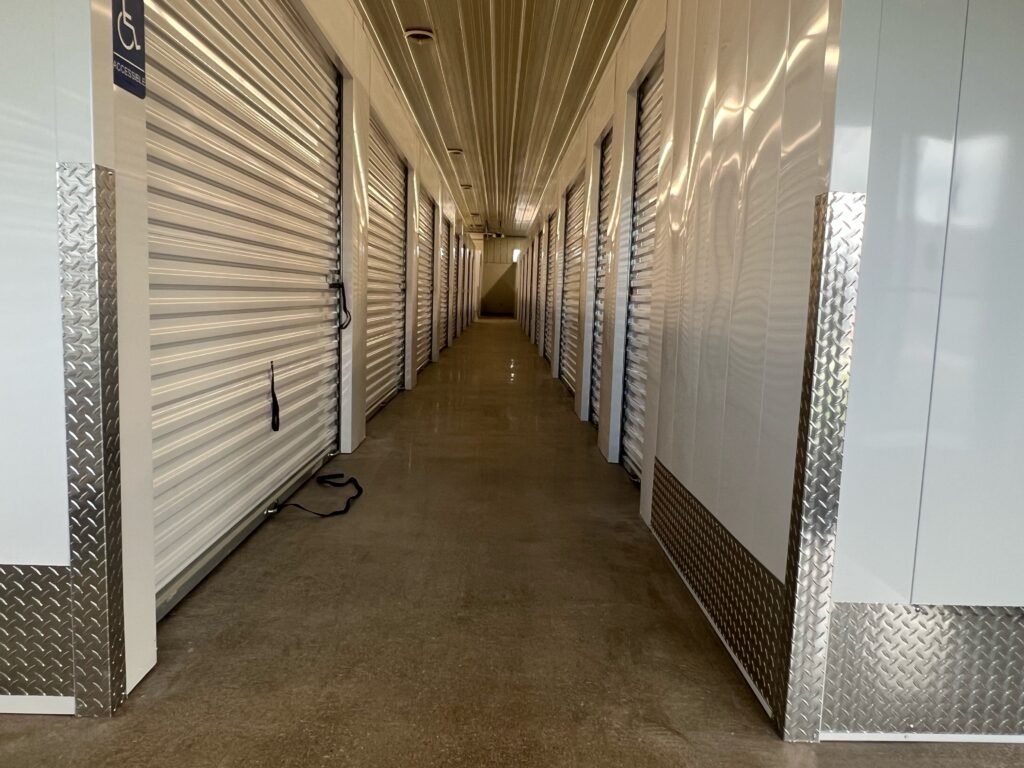
Use temporary, climate‑controlled storage to stage your home and keep “keepers” protected while you finish decluttering before a move. Shift packed boxes, off‑season gear, and bulky furniture out first to open sightlines for photos. Choose 24/7, ground‑floor, keyless access to add/remove items anytime.
- Store now: boxes, seasonal gear, extra furniture.
- Skip: hazardous items, perishables; keep vital docs with you.
Step 10. pack as you purge: labels, open-first boxes, and inventory
Pack as you purge so keepers go straight into boxes once decided. This prevents re‑handling, keeps rooms functional, and speeds move‑in. Seal, label, and stage finished boxes immediately. Use standardized labels and a lightweight inventory.
- Label:
ROOM-#+ 3 keywords on two sides/top; color‑tape by room. - Open‑First: per‑person overnight, Kitchen‑Day‑One, Bath‑Day‑One, Tools/Cleaning.
- Inventory: phone note/spreadsheet matching
ROOM-#; quick photo of box top. - Pack smart: heavy low, fragile wrapped/gaps filled; baggie screws/cords—tape to item or one “Cables & Hardware” box.
Step 11. your 8-week timeline and milestones
Use this 8‑week roadmap to pace decluttering before a move without burnout. Work low‑use to high‑use areas, lock in weekly offloads, and move boxed keepers to storage to free space. Aim for three 60–90‑minute sessions weekly; if you miss one, make it up with a weekend power block.
- Week 8 (Plan + Easy Wins): Set rules, map zones, gather supplies, pick methods. Tackle expireds and junk drawers. Book donation/junk dates. Start inventory and label system.
- Week 7 (Low‑Use Areas): Decor, linens, seasonal gear. First donation drop. List only high‑value items; set a donate‑by date for anything unsold.
- Week 6 (Closets Pass 1): Remove “doesn’t fit/last‑year unused.” Box‑test sentimental. Move finished boxes to climate‑controlled storage.
- Week 5 (Office/Garage): Scan/shred, cull cables/e‑waste, edit tools/sports. Schedule hazardous‑waste disposal. Storage run #2.
- Week 4 (Kitchen Edit 1): Duplicates, single‑use gadgets, expired pantry/spices. Pack non‑essentials. Second donation pickup. Donate unsold listings.
- Week 3 (Bath + Kids): Toss expired toiletries/makeup, trim toys/games. Identify duplicate furniture to offload. Storage run #3.
- Week 2 (Closets Pass 2): “Fit + frequency” review; refine to best‑of. Final recycling/junk haul. Milestone: ~80% of non‑essentials boxed.
- Week 1 (Final Sweep): One last pass per room. Donate last bags, break down stations, pack Open‑First boxes. Milestone: Only daily essentials remain packed last.
Step 12. fast-track plan: decluttering in 3 weeks or less
On a tight clock? Run a 21-day sprint that pairs simple rules with daily timeboxes. Pack-as-you-purge, skip complex listings, and pre-book donation/junk/e-waste so decisions stick. Use the move-out method on each zone, 20/10 cycles to avoid burnout, and a cardboard-box test only for truly undecided items.
- Days 1–7: Low‑use areas, office/garage, expireds; first donation and junk pickup.
- Days 8–14: Closets + bedrooms; Kitchen Edit 1; pack non‑essentials; storage run.
- Days 15–21: Baths, toys, Closets Pass 2; final donation; prep Open‑First boxes.
- Daily cadence: One 45–60‑minute sprint; use 20/10 cycles to extend without burnout.
- Offload policy: Sell only high‑value with a 48‑hour deadline; otherwise donate/recycle same day.
Step 13. final week checklist and day-before move sweep
Your final week is about logistics, offloading stragglers, and staging for a clean load‑out. Keep essentials handy, clear pathways, and use a tight day‑before sweep so move day is pure execution.
- Confirm logistics: movers, permits, childcare/pet care, codes/app.
- Offload: last donations/e‑waste; return borrowed items.
- Kitchen: run perishables; defrost fridge/freezer 24 hours.
- Essentials: pack Open‑First; photo electronics; bag hardware.
- Day‑before sweep: empty trash, stage boxes, protect floors, set snacks/cash.
Step 14. pro tips to stay motivated and avoid mistakes
Momentum beats willpower. Make your plan friction-free so you keep moving even on busy days. Use short bursts, celebrate quick wins, and eliminate backsliding by scheduling offloads. Most “mistakes” happen when you overthink, try to sell everything, or pack before you purge—keep it simple and decisive.
- Timebox + track wins: Run 20/10 cycles, snap before/after photos, reward small milestones.
- Pre-book offloads weekly: Donation and e‑waste/junk pickups stop second thoughts.
- Leave high‑use zones for last: Kitchen, daily bath, kids’ essentials stay functional.
- Avoid common mistakes: Selling low‑value items, “maybe” boxes, mixing rooms, unlabeled boxes.
Wrap up and next steps
Decluttering before a move is a series of small, decisive passes. You have timelines, methods, and room checklists—use them to cut volume, lower costs, and arrive lighter. Block your first 20 minutes today, start with easy wins, then follow the plan to the final sweep. Need staging space? Sioux City locals can rent 24/7, climate‑controlled, keyless units at Keyless Storage.