Top 10 Benefits of Climate Controlled Storage Units
Yes—climate-controlled storage units are worth the extra cost when you need to shield valuables from damaging temperature swings, excess humidity, dust, and pests. Whether it’s vinyl records, a cedar chest, or an entire e-commerce inventory, stable conditions keep materials intact, odors at bay, and replacement charges off your credit card.
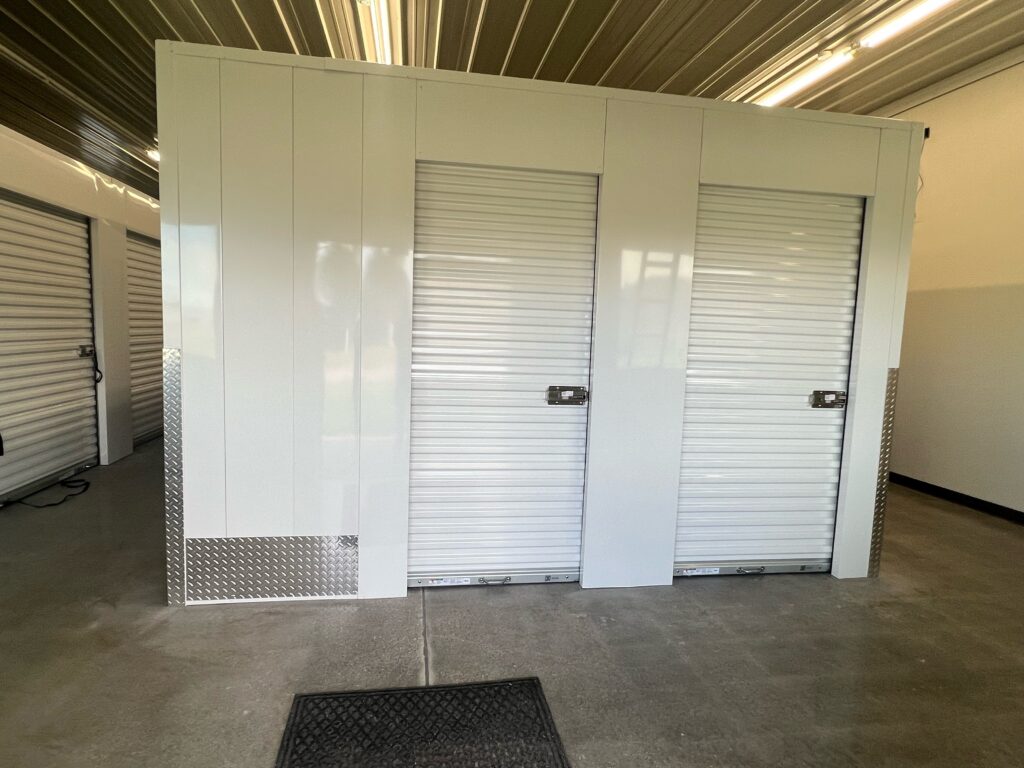
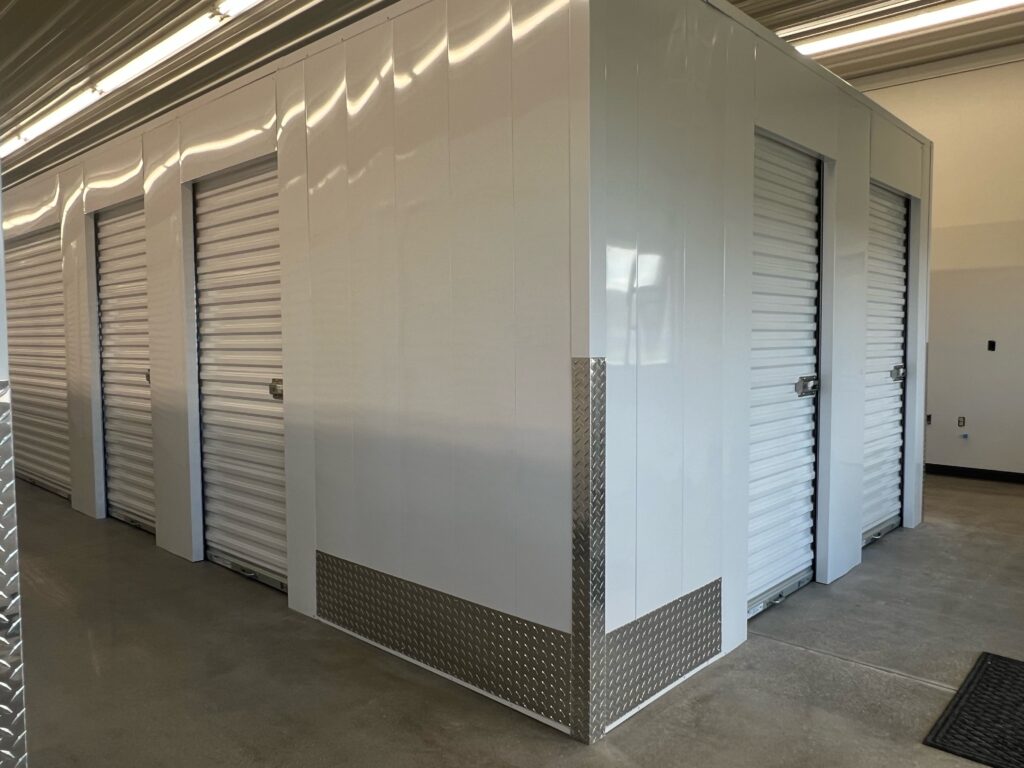
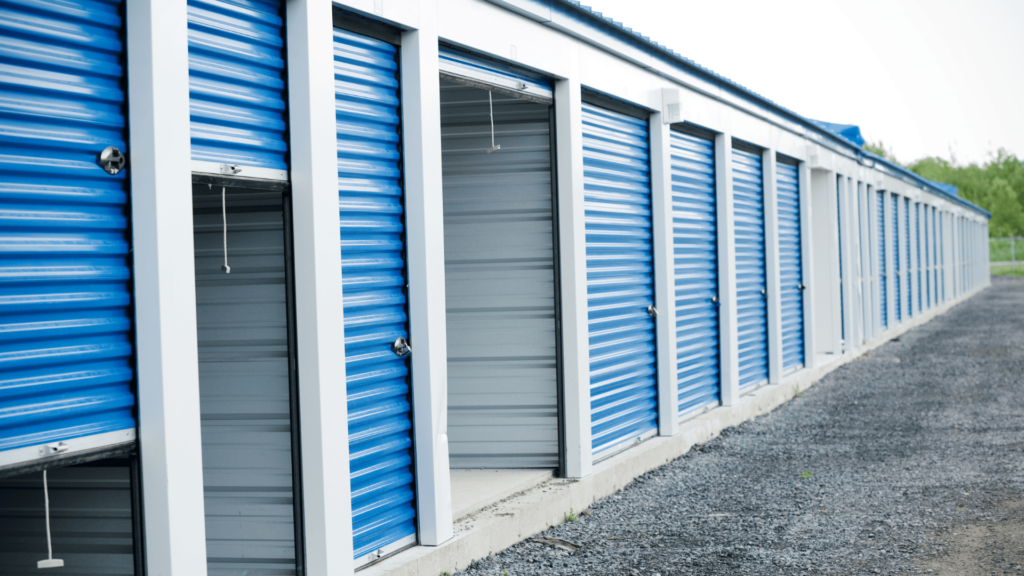
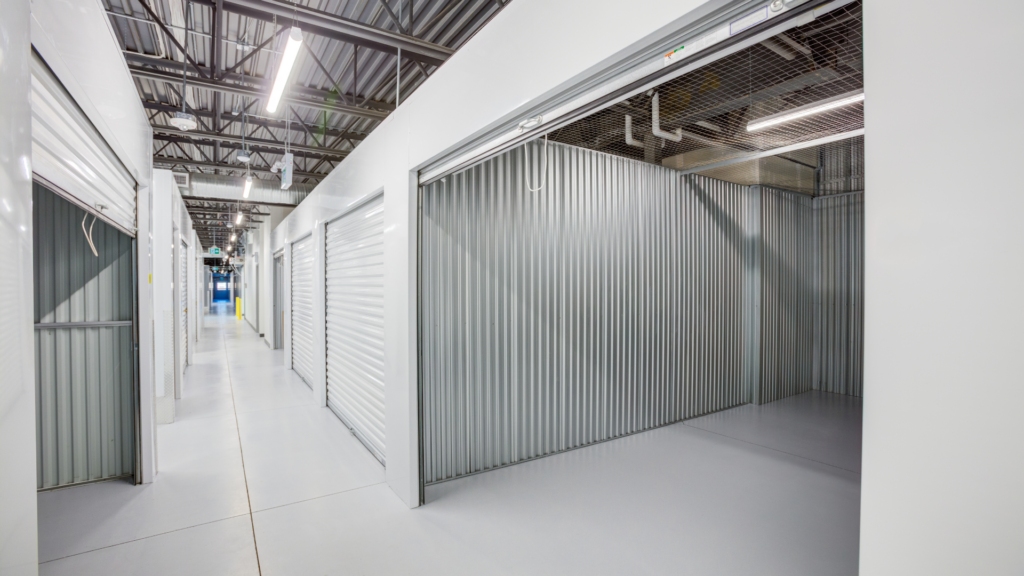
Put simply, a climate-controlled unit sits inside an insulated building where temperature hovers between 55–85 °F and relative humidity around 40–60 %. Interior hallways, sealed roll-up doors, and active air circulation set these spaces apart from drive-up garages that bake in July and freeze in January.
The guide ahead breaks down the ten biggest advantages—mold prevention, wood preservation, easier unit visits, and more—each paired with packing tips and item examples to help you judge whether the upgrade fits your budget. In about 1,600 words you’ll gain a concise checklist and the confidence to pick storage that cares for your belongings.
1. Consistent Temperature & Humidity: The Core Safeguard
Ask any preservation expert what causes most storage disasters and they’ll point to wild temperature swings teamed with sticky or bone-dry air. By keeping both factors in a Goldilocks zone year-round, a climate-controlled unit removes the root threats before they ever reach your stuff. That stability is the baseline benefit every other perk in this list builds upon.
How Temperature Regulation Works
Modern facilities resemble mini-warehouses inside a warehouse. Insulated walls, multiple air handlers, and smart thermostats cycle暖 and cool air much like your home HVAC, only scaled up. Sensors spread throughout hallways signal when the mercury drifts outside the 55–85 °F sweet spot, kicking compressors or heaters on automatically. Because units sit inside the conditioned envelope—no exterior roll-up doors—heat waves and arctic blasts stay where they belong: outside.
What Humidity Control Actually Does
Temperature alone can’t stop moisture-related havoc. Integrated dehumidifiers, vapor barriers, and supply-return ducting hold relative humidity near 40–60 %. That level is low enough to keep mold spores dormant and metal oxidation slow, yet high enough to prevent wood from drying and cracking. Many renters find this single feature justifies the small surcharge, answering the common “Is climate control worth it?” question with a resounding yes.
Typical Climate-Control Settings in Quality Facilities
| Metric | Target Range | Why It Matters |
|---|---|---|
Temperature (T) | 55–85 °F | Prevents thermal stress, battery drain |
Relative Humidity (RH) | 40–60 % | Blocks mold, rust, and paper curl |
| Air Exchange Rate | 6–10 ACH | Reduces odors, keeps dust circulating out |
Tip: When touring a facility, ask if they use remote monitoring or automatic alerts—systems that flag deviations before they threaten your belongings.
2. Prevention of Mold, Mildew, and Rust
Even in Sioux City’s relatively dry winters, a damp cardboard box can trigger a chain reaction that ruins fabric, paper, and metal within weeks. One of the biggest benefits of climate controlled storage is that it keeps the microscopic troublemakers—mold spores and corrosion-causing moisture—below their activation point.
Why Humidity Is the Main Culprit
Mold spores are everywhere, but they only wake up when relative humidity (RH) tops about 60 %. Warm, moist air speeds up the chemical reaction that oxidizes metal, too. By maintaining 40–60 % RH, climate-controlled facilities deprive both fungi and rust of the conditions they need to thrive.
Sensitive Items Most at Risk
- Clothing and linens
- Upholstered or leather furniture
- Paper archives, books, photographs
- Metal tools, bicycles, appliances
- Musical instruments with steel strings or brass fittings
Simple Steps to Further Reduce Moisture Risks
Climate control slashes the odds of damage, yet best practice still matters. Make sure everything is completely dry for 24 hours before boxing it up, slip silica gel packs inside totes, and choose breathable cotton covers over plastic wrap. Remember the PAA warning—mold can still develop if damp items go in—so err on the side of dry. Elevating boxes on pallets and cracking appliance doors for airflow add a final layer of protection.
3. Protection from Warping, Cracking, and Dry Rot in Wood & Leather
Wood swells when it absorbs moisture and shrinks when it loses it; leather behaves the same way with its natural oils. Bounce between a humid Iowa summer and a bone-dry winter and those movements add up to warped tabletops, split guitar necks, and brittle boots. A climate-controlled unit locks the environment into that 55–85 °F / 40–60 % RH pocket, stopping the seasonal tug-of-war before it starts.
Science Behind Material Expansion & Contraction
Cellulose fibers in wood and collagen fibers in leather expand roughly 1 % for every 3 % rise in relative humidity. Over months, that micro-movement fatigues joints and glue lines. Steady temperature and moisture remove the stress cycle, so antique dovetails and saddle stitching stay tight.
Furniture, Instruments, and Artwork Use Cases
- Mahogany dressers and oak dining tables
- Acoustic guitars, violins, upright pianos
- Oil paintings on stretched canvas and leather-bound books
Prep Tips Before Placing Items in Storage
- Polish wood with a beeswax conditioner to seal pores.
- Massage pH-balanced leather cream into coats, shoes, and sofa arms.
- Loosen guitar strings a half-step and wrap art in acid-free paper.
These quick steps, combined with climate control, halt dry rot and keep heirlooms showroom-ready.
4. Superior Air Quality Keeps Belongings Fresher
One of the quieter—but no less valuable—benefits of climate controlled storage is the way it treats the air your items “breathe.” Because these units live inside a sealed building with dedicated HVAC, the atmosphere is filtered, circulated, and refreshed far more often than in a standard garage-style locker. That means fewer odors, less dust, and a greatly reduced chance that you’ll open the door six months later to a musty surprise.
Air Filtration and Circulation Systems Explained
Facilities typically install MERV-11 or higher filters (some even spring for HEPA) and run fans on a low, continuous cycle. The steady airflow prevents dead zones where stale air, moisture, and dust could settle, keeping every corner of your unit equally fresh.
Benefits for Fabrics, Documents, and Electronics
Cleaner air pays off in multiple ways:
- Fabrics stay brighter because lint and airborne dirt can’t accumulate.
- Paper documents avoid yellowing caused by acidic particles.
- Electronics face less static and dust build-up, two leading causes of premature failure.
How to Pack to Maximize Freshness
Help the filtration system out by packing smart:
- Choose breathable cotton bins for linens instead of airtight plastic.
- Slip moisture-absorbing packets inside file boxes and photo albums.
- Rebox electronics in their original packaging with a few silica gel packs tucked near vents.
These quick tweaks plus superior air quality keep your belongings feeling—and smelling—like home.
5. Added Shield Against Dust, Debris, and Pests
Besides moderating climate, indoor units erect a physical barrier that wind-blown grit, pollen, and curious critters simply can’t cross. The result is a noticeably cleaner, healthier environment for anything you tuck away.
Sealed Building Construction Advantages
Because every door opens into a conditioned hallway—not the outdoors—there’s no direct path for street dust or rain splash. Walls are insulated, floors are finished concrete, and ceiling gaps are sealed, so fewer airborne particles settle on furniture and boxes.
Pest Prevention Mechanisms in Climate-Controlled Facilities
Most modern facilities schedule monthly exterminator visits, install door sweeps, and keep dumpsters far from entry points. Combined with steady airflow that discourages nesting, this multilayer defense makes rodent or insect sightings a rarity rather than a risk.
What You Still Need to Do for Best Results
- Never store food or scented candles that invite nibblers
- Wipe refrigerators and grills dry, leaving doors cracked open
- Elevate cardboard on plastic pallets to foil any stray moisture
- Seal valuables in gasket-lid totes for an extra dust barrier
6. Comfortable, Year-Round Access for You
Climate control isn’t just for your belongings—it’s for you. Indoor corridors hover around 70 °F, letting you load, label, and rearrange boxes without winter gloves or midsummer sweat.
Accessing Your Unit in Extreme Heat or Cold
When Sioux City plunges to 20 °F in February or rockets past 95 °F in July, the conditioned building keeps aches, frostbite, and heat exhaustion at bay—and your dexterity intact for careful handling.
Business Inventory Management Perks
Retailers can pull stock, print labels, and run quick quality checks in comfort, speeding order fulfillment and slashing return rates.
Safety Benefits of Well-Lit, Indoor Hallways
Bright LED lighting, indoor cameras, and smartphone access logs mean you’re never fumbling keys in a dark alley. Dry floors also cut slip-and-fall hazards when rain or snow is piling up outside.
7. Long-Term Preservation & Peace of Mind
Even if a week in storage won’t ruin Grandma’s quilt, a year in the wrong environment can. One of the underrated benefits of climate controlled storage is how it stops tiny, daily stresses from snowballing into irreversible damage—saving you worry along with money.
Why Climate Control Matters More Over Time
Materials break down cumulatively. In a non-climate unit, each hot summer expands wood fibers and each frigid winter contracts them, loosening joints little by little. Controlled temps and 40–60 % RH freeze that aging process, so colors stay vivid and fabrics keep their snap.
Insurance Considerations and Potential Savings
Because risk is lower, some carriers offer small premium breaks—or even require climate control—when you list high-value collections. Ask your agent; a 5 % discount on a $20,000 rider quickly offsets the monthly storage upgrade.
Stories of Costly Damage from Non-Climate Units
- Heirloom piano: stored in an outdoor locker for two Iowa winters, it arrived home with warped soundboard repairs topping $3,000.
- Designer wedding dress: packed slightly damp, it bred mildew rings within six weeks, forcing a replacement that cost more than a year of climate-controlled rent.
8. Better Resale Value for Collectibles and Heirlooms
Condition is king in the collectibles market. Climate-controlled storage stops the tiny temperature- and moisture-related blemishes that wipe hundreds of dollars off coins, comics, or grandma’s sterling tea set.
Coins, Stamps, Wine, & Vinyl Records
Metal tones, paper gum, wine corks, and vinyl grooves all deteriorate fast without steady 55–85 °F, 40–60 % humidity—conditions climate control provides.
Maintaining Original Packaging & Documentation
Boxes, shrink-wrap, and certificates can add 30 % to resale value; stable air keeps cardboard crisp and hologram stickers intact.
When Professional Appraisals Recommend Climate Control
Major auction houses now request proof of controlled storage. Facilities with downloadable sensor reports let you meet that requirement and negotiate a higher hammer price.
9. Supports Sensitive Electronics & Business Equipment
Tablets, point-of-sale terminals, and backup hard drives don’t like surprises. A climate-controlled unit keeps ambient conditions steady, so metal contacts avoid corrosion and circuit boards aren’t shocked by sudden temperature swings when you pop the door open.
Avoiding Condensation and Static Damage
When a cold laptop meets warm, humid air, invisible water droplets form inside, shorting components. Holding storage temps around 70 °F with 40–60 % RH prevents that condensation and maintains just enough moisture to dissipate static that can fry microchips.
Example of Seasonal Business Overflow
E-commerce owners often park surplus phones, routers, or barcode scanners between shopping seasons. Stable climate means they can pull gear, power it on, and ship same-day—no reboot blues or warranty returns.
Checklist for Pre-Storage Device Backup & Battery Removal
- Back up data to cloud
- Remove or charge Li-ion batteries to 50 %
- Label and bag power cords
- Slide silica packets inside device vents
- Cover screens with microfiber cloths
10. Versatile Solution for Life Transitions
Life changes fast. A climate-controlled unit gives you breathing room to shuffle belongings without rushing decisions.
Moving, Renovating, or Downsizing Scenarios
Closing dates slip, contractors ghost, or you just need space to sort heirlooms. Stable temperature buys you breathing room until the new place is ready.
College Students and Military Deployments
Season breaks or overseas orders won’t trash textbooks, gaming rigs, or dress uniforms. Climate control keeps them fresh, so pickup months later feels like yesterday.
Deciding Unit Size & Features You Actually Need
Use this quick rule: a 5×5 foot unit equals a walk-in closet, a 10×15 equals an average living room. Leave a two-foot aisle for frequent access and request 24/7 smartphone entry for truly on-demand moves.
Key Takeaways on Climate-Controlled Storage Units
Stable temperature and humidity are the foundation of every other perk you just read—stopping mold, rust, warping, dust, pests, and costly electronic failures before they start. Add cleaner air, safer indoor access, and better resale value for collectibles, and the small monthly surcharge often pays for itself the first time you avoid a repair or replacement bill.
Ready to lock in that peace of mind? Siouxland residents can reserve a 100 % climate-controlled, keyless-entry unit today at Keyless Storage and start protecting what matters most.