10 Benefits of Inventory Management for Business Growth
Running out of stock when customers want to buy costs you sales. Storing too much inventory ties up your cash and racks up storage fees. Manual tracking leads to errors that ripple through your entire operation. These problems hit harder when you’re trying to grow your business.
Strong inventory management fixes these issues and creates measurable advantages across your operation. This article breaks down 10 specific benefits you can expect when you implement or improve your inventory systems. You’ll see what each benefit looks like in real business situations, how inventory management creates that advantage, and practical steps to strengthen each area. Whether you’re considering your first inventory system or upgrading what you have, you’ll understand exactly how better inventory control drives business growth. https://www.youtube.com/embed/b8kb5Yda3LQ
1. Secure, organized storage
One of the most immediate benefits of inventory management shows up in how you physically arrange and protect your stock. You gain complete visibility into where every item sits and how much space you actually use. Your warehouse or storage area transforms from a chaotic jumble into a systematic operation where you can locate any item within seconds instead of wasting hours searching through boxes.
What this benefit looks like in practice
Your team knows exactly which bay, shelf, or bin holds specific products without consulting multiple people or digging through paperwork. You eliminate the frustration of duplicate purchases because you couldn’t find items you already owned. Climate-sensitive products get stored in appropriate conditions automatically because your system flags their requirements. Fast-moving items sit near loading areas while slower inventory stays in less accessible spots, cutting the time your staff spends retrieving orders.
Organized storage directly cuts labor costs by reducing the time workers spend searching for inventory.
How inventory management creates this benefit
Inventory systems assign specific locations to every product in your database. When new stock arrives, the system tells you exactly where to place it based on size, turnover rate, and storage requirements. Barcode scanning confirms items go to correct locations and stay tracked throughout their storage life. The software maintains a digital map of your entire facility, showing which spaces hold inventory and which sit empty.
Metrics and steps to strengthen this benefit
Track your average retrieval time per order to measure organization effectiveness. Monitor how often staff report they can’t locate items that show as in stock. Calculate your space utilization rate by dividing occupied space by total available space. Implement zone-based storage where similar products group together. Run quarterly audits comparing physical locations against system records to catch discrepancies early.
2. Better stock accuracy
Better stock accuracy stands out as one of the key benefits of inventory management that directly impacts your bottom line. When your records match your physical stock, you avoid costly mistakes like ordering products you already own or promising customers items you can’t deliver. Accurate inventory counts give you confidence in every business decision from purchasing to sales forecasting.
What this benefit looks like in practice
Your system shows 47 units of a specific product, and a physical count confirms exactly 47 units sit on your shelves. You can trust your data when making purchasing decisions because shrinkage, theft, and counting errors get caught immediately. Sales teams access real-time numbers and quote accurate lead times to customers without second-guessing the information. You eliminate the awkward situation where customers order items your website shows as available but your warehouse can’t locate.
How inventory management creates this benefit
Modern systems update inventory counts automatically with every transaction instead of relying on periodic manual counts. When you receive shipments, the system logs each item immediately. Barcode scanning eliminates human error during receiving, picking, and shipping processes. The software flags discrepancies instantly when physical counts don’t match digital records, prompting immediate investigation. Cycle counting features let you verify portions of inventory continuously rather than shutting down for annual counts.
Automated tracking cuts inventory accuracy errors by up to 25% compared to manual methods.
Metrics and steps to strengthen this benefit
Calculate your inventory accuracy rate by dividing correct counts by total items checked, aiming for 95% or higher. Track the dollar value of discrepancies between system records and physical counts monthly. Implement daily cycle counts for high-value or fast-moving items. Schedule quarterly full audits but rely on continuous partial counts to catch problems early. Train every team member who touches inventory on proper scanning procedures and require scan verification at each movement point.
3. Fewer stockouts and overselling
Stockouts lose you immediate sales and push customers toward competitors who can fulfill orders right away. Overselling creates an even worse problem when you accept orders for products you can’t deliver, damaging your reputation and customer trust. This benefit of inventory management protects both your revenue stream and brand credibility by keeping your actual stock levels synchronized with what you promise customers.
What this benefit looks like in practice
Your sales team checks inventory before quoting delivery dates and sees real-time availability across all locations. Customers shopping online see accurate stock counts that update instantly as other buyers complete purchases. You eliminate the embarrassing phone call where you tell customers their order can’t ship because inventory ran out between purchase and fulfillment. Automatic reorder triggers kick in when stock hits predetermined levels, ensuring replenishment arrives before you completely run out. Your business maintains consistent availability of popular products without manual monitoring.
How inventory management creates this benefit
The system updates stock counts instantly with every sale, return, and adjustment across all sales channels. When inventory drops to your specified threshold, automated alerts notify purchasing teams or trigger orders directly to suppliers. Multi-channel integration prevents overselling by reserving inventory the moment a customer adds items to their cart, not just at checkout. The software accounts for pending orders, returns in transit, and seasonal demand patterns when calculating available stock. You get warnings before critical shortages occur rather than discovering stockouts after customers complain.
Businesses with inventory management systems reduce stockouts by up to 80% compared to manual tracking methods.
Metrics and steps to strengthen this benefit
Track your stockout frequency by counting how many times per month you can’t fulfill orders due to missing inventory. Calculate your fill rate by dividing complete orders by total orders received. Set reorder points at levels that account for lead times plus safety stock buffers. Monitor your backorder rate to see how often you promise products you don’t currently have. Review seasonal sales patterns quarterly and adjust safety stock levels for products with predictable demand spikes.
4. Lower carrying and storage costs
Inventory sitting in your warehouse costs you money every single day through rent, utilities, insurance, and handling expenses. When you hold too much stock or store it inefficiently, these carrying costs drain your profits without adding value. This benefit of inventory management directly attacks these unnecessary expenses by optimizing what you keep and how you store it.
What this benefit looks like in practice
You reduce the square footage you rent by storing only products that match actual demand patterns instead of guessing. Insurance premiums drop because you carry less total inventory value at any given time. Your utility bills decrease when you need fewer climate-controlled spaces because you’re not storing excess seasonal items year-round. Staff spend less time moving and reorganizing inventory since optimized stock levels mean fewer products competing for prime locations. You avoid paying for offsite storage or emergency warehouse expansions during busy seasons because forecasting tools help you plan space needs accurately.
How inventory management creates this benefit
The system calculates your true carrying costs by tracking storage duration, handling frequency, and space requirements for each product. Automated reordering prevents bulk purchases that exceed your actual needs just to capture volume discounts that carrying costs later erase. Just-in-time principles built into modern systems help you order closer to when you need products, reducing average inventory levels. The software identifies slow-moving items that waste valuable space and flags them for price reductions or discontinuation. You gain visibility into which products justify their storage costs and which ones drain resources.
Optimized inventory levels typically reduce carrying costs by 10-30% within the first year of implementation.
Metrics and steps to strengthen this benefit
Calculate your total carrying cost percentage by dividing annual storage, insurance, handling, and shrinkage costs by average inventory value. Track your inventory turnover ratio monthly to ensure stock moves quickly rather than sitting idle. Review storage costs per square foot and compare against your inventory density to find optimization opportunities. Negotiate with suppliers for more frequent deliveries of smaller quantities to reduce on-hand stock. Audit slow-moving inventory quarterly and implement clearance strategies to free up space.
5. Stronger cash flow
Your inventory represents cash sitting on shelves instead of working for your business. Every dollar tied up in excess stock is a dollar you can’t use to pay suppliers, invest in marketing, or handle unexpected expenses. This benefit of inventory management frees up working capital by ensuring you maintain optimal stock levels that balance customer demand against cash availability.
What this benefit looks like in practice
You order inventory based on actual sales velocity rather than gut feelings, keeping more cash in your bank account. Your business can take advantage of early payment discounts from suppliers because inventory optimization leaves you with available funds. You reduce or eliminate the need for short-term loans to cover cash flow gaps during slow periods. Faster inventory turnover means products convert to sales revenue quickly instead of sitting for months before generating income. Your financial statements show healthier current ratios because inventory doesn’t dominate your asset balance sheet.
How inventory management creates this benefit
The system calculates optimal order quantities that balance volume discounts against the cost of holding extra inventory. You avoid tying up capital in safety stock by using data-driven forecasting that accurately predicts demand patterns. Automated reporting shows exactly how much cash sits in inventory versus how much generates through sales, helping you make smarter purchasing decisions. The software identifies slow-moving products early so you can convert them to cash through promotions before they become worthless. You gain visibility into your cash conversion cycle and can adjust ordering patterns to keep cash flowing.
Businesses typically see 15-20% improvement in cash flow within six months of implementing inventory optimization.
Metrics and steps to strengthen this benefit
Track your days inventory outstanding by dividing average inventory value by cost of goods sold, then multiplying by days in the period. Calculate your cash-to-cash cycle time from when you pay suppliers until customers pay you. Monitor inventory as a percentage of total assets monthly to ensure it doesn’t consume disproportionate capital. Negotiate payment terms with suppliers that match your inventory turnover rates. Review your inventory-to-sales ratio quarterly and adjust purchasing to maintain the healthiest balance between stock availability and cash preservation.
6. Higher efficiency and productivity
Manual inventory processes waste countless hours your team could spend on activities that actually grow your business. Every minute spent counting stock by hand, searching for misplaced items, or correcting data entry errors represents lost productivity that never contributes to revenue. This benefit of inventory management transforms these time-consuming tasks into automated processes that free your staff to focus on serving customers and improving operations.
What this benefit looks like in practice
Your warehouse staff complete order picking in half the time because the system directs them along optimized routes through your facility. Receiving teams process incoming shipments faster with barcode scanning that updates inventory instantly rather than manually logging each item. Administrative tasks that once consumed entire afternoons now finish in minutes through automated reporting and real-time dashboards. Your purchasing team handles vendor communications and ordering without constantly interrupting warehouse staff to verify stock counts. You eliminate the need for emergency overtime during busy periods because streamlined processes handle higher volumes with existing staff levels.
How inventory management creates this benefit
The system automates repetitive counting and tracking tasks that previously required constant manual attention. Integration with order management means information flows automatically between systems without anyone copying data or reconciling records. Mobile devices and scanners let staff update inventory on the spot instead of writing notes and entering data later. The software generates purchase orders, transfer requests, and adjustment reports automatically based on preset rules and thresholds. You eliminate duplicate work where multiple team members perform the same tasks because they lack visibility into what others have completed.
Businesses report 25-40% productivity improvements in warehouse operations after implementing inventory management systems.
Metrics and steps to strengthen this benefit
Track orders processed per labor hour to measure how efficiently your team handles volume. Calculate your pick accuracy rate by dividing correct picks by total picks to ensure speed doesn’t sacrifice quality. Monitor the average time from order receipt to shipment and work to reduce it monthly. Implement mobile scanning devices for all staff who handle inventory. Train employees on system shortcuts and best practices quarterly to maximize the technology’s capabilities.
7. Smarter forecasting and planning
Guessing what products to order and when leaves you vulnerable to costly mistakes that compound over time. Your business needs accurate predictions about future demand to avoid both stockouts and excess inventory that drains resources. This benefit of inventory management transforms forecasting from educated guessing into data-driven decision making that accounts for seasonality, trends, and market shifts.
What this benefit looks like in practice
You predict next quarter’s demand within 5-10% accuracy instead of being surprised by unexpected spikes or lulls. Your purchasing team plans orders months ahead with confidence because historical data reveals clear patterns in customer behavior. Seasonal fluctuations get anticipated and accounted for automatically, so you stock appropriately for holidays, weather changes, or industry cycles. Marketing campaigns coordinate with inventory plans because you forecast how promotions will affect demand before launching them. Your business identifies emerging trends early by analyzing which products show increasing velocity and adjusts purchasing before competitors recognize the opportunity.
How inventory management creates this benefit
The system analyzes years of sales history to identify patterns that manual review would miss. Algorithms account for multiple variables simultaneously including seasonality, promotions, economic conditions, and product lifecycles when generating forecasts. Automated alerts notify you when actual sales deviate from predictions, letting you adjust plans immediately rather than discovering problems weeks later. The software tracks lead times from each supplier and factors them into reorder calculations so inventory arrives exactly when needed. You gain scenario planning capabilities that show how different demand levels would affect your inventory needs and purchasing budgets.
Businesses using inventory forecasting tools reduce excess stock by 20-35% while maintaining or improving service levels.
Metrics and steps to strengthen this benefit
Track your forecast accuracy percentage by comparing predicted demand against actual sales monthly. Calculate your mean absolute percentage error to measure forecasting precision across all products. Monitor how often you need emergency orders because forecasts missed demand spikes. Review forecast accuracy by product category to identify which items predict well and which need better data or different methods. Update your forecasting models quarterly with new sales data and adjust parameters based on accuracy results.
8. Happier customers and service levels
Your customers judge your business based on whether you deliver what you promise when you promise it. Nothing frustrates buyers more than discovering the product they ordered sits out of stock after they’ve completed their purchase. This benefit of inventory management directly improves customer satisfaction by ensuring you consistently meet expectations and deliver products without delays or disappointments.
What this benefit looks like in practice
Your customers receive accurate delivery estimates at checkout because your system knows exactly what’s available and where it’s located. They trust your business to fulfill orders correctly because you rarely send wrong items or forget parts of multi-item orders. Order confirmations and tracking updates go out automatically with precise information rather than vague promises. When customers contact support with questions about availability or delivery timing, your team provides definitive answers immediately instead of promising to check and call back. You build a reputation for reliability that turns first-time buyers into repeat customers who recommend your business to others.
Companies with accurate inventory systems see customer satisfaction scores improve by 15-25% compared to those with frequent fulfillment errors.
How inventory management creates this benefit
The system ensures your team picks the right products every time by providing clear picking instructions with item locations and quantities. Real-time inventory tracking prevents you from accepting orders you can’t fulfill, eliminating the awkward conversation where you tell customers their purchase won’t arrive as promised. Automated fulfillment processes reduce human error during order processing and packing. Integration with shipping systems means customers receive accurate tracking information the moment orders leave your facility. You maintain consistent stock levels of popular items so customers find what they need available whenever they shop.
Metrics and steps to strengthen this benefit
Track your order accuracy rate by dividing error-free shipments by total orders shipped monthly. Monitor your on-time delivery percentage to ensure inventory availability doesn’t cause shipping delays. Calculate your customer satisfaction score through post-purchase surveys that specifically ask about product availability and delivery experience. Review customer complaints monthly to identify inventory-related issues like stockouts or wrong items shipped. Implement quality checks at multiple points during fulfillment to catch errors before products leave your facility.
9. Stronger supplier relationships
Your suppliers perform better when you give them accurate forecasts and consistent ordering patterns instead of last-minute rush requests and unpredictable volumes. Good inventory management transforms supplier relationships from transactional exchanges into strategic partnerships that benefit both parties. This benefit of inventory management strengthens your supply chain reliability while often securing better pricing and terms.
What this benefit looks like in practice
You provide suppliers with advance notice of upcoming orders based on accurate demand forecasts rather than calling with urgent requests. Your vendors prioritize your orders because you’ve built a reputation for reliable communication and consistent volumes. Suppliers offer you better payment terms or volume discounts because they can plan their own production around your predictable ordering patterns. When supply chain disruptions occur, your key suppliers allocate scarce inventory to your business first because you’ve proven yourself a valuable partner. You negotiate from a position of strength with clear data about your ordering history and future needs.
How inventory management creates this benefit
The system generates precise forecasts you can share with suppliers weeks or months ahead of actual orders. Automated ordering creates consistent communication patterns that suppliers learn to rely on and plan around. Historical data shows exactly which suppliers deliver on time, at quality standards, and at competitive prices, helping you identify the best partners. You catch quality issues or delivery delays immediately through system tracking and address them with suppliers while details are fresh. The software documents every interaction, delivery, and quality metric, giving you concrete information for supplier negotiations and performance reviews.
Businesses with strong supplier relationships reduce procurement costs by 10-15% through better terms and fewer rush orders.
Metrics and steps to strengthen this benefit
Track your supplier on-time delivery rate by calculating what percentage of orders arrive within the agreed timeframe. Monitor supplier quality scores by logging defects, errors, and returns by vendor. Share quarterly forecasts with your top suppliers showing expected order volumes for the next three to six months. Schedule regular review meetings with key suppliers to discuss performance metrics and upcoming needs. Calculate your supplier lead time variance to identify which vendors deliver most consistently and reward them with increased business.
10. Easier growth and scalability
Growing your business without proper inventory systems creates exponential complexity that eventually breaks your operations. What works when you handle 50 orders daily collapses under the strain of 500 orders using the same manual processes. This benefit of inventory management removes the ceiling on how large your operation can grow by creating systems that scale with your business rather than requiring complete overhauls at each growth stage.
What this benefit looks like in practice
You expand from one warehouse to multiple locations without losing visibility into where products sit or how they move between facilities. Adding new product lines or sales channels takes days instead of months because your system handles additional complexity automatically. Your business grows revenue by 100% without doubling your inventory management staff because automation handles increased volume. Opening international operations becomes straightforward since your system tracks inventory across borders, currencies, and regulatory requirements. You acquire competitors or merge operations smoothly because modern systems integrate their inventory data into your existing infrastructure quickly.
How inventory management creates this benefit
The system handles thousands of SKUs as easily as hundreds because digital tracking doesn’t slow down with volume increases. Cloud-based platforms scale computing resources automatically as your transaction volumes grow without requiring expensive hardware upgrades. Multi-location tracking built into the software means adding warehouses or retail stores just requires basic setup rather than redesigning your entire system. The platform integrates with new sales channels, shipping carriers, and suppliers through standard connections that work regardless of your business size. You avoid hitting technical limitations that force expensive migrations or custom development as your needs evolve.
Scalable inventory systems let businesses grow 10x in size without proportional increases in inventory management costs or complexity.
Metrics and steps to strengthen this benefit
Track your inventory management cost per transaction to ensure it decreases as volume grows rather than staying flat or increasing. Monitor how long it takes to onboard new products, locations, or sales channels and work to reduce that timeline quarterly. Calculate your system capacity utilization to understand how much growth your current setup can handle before requiring upgrades. Choose inventory software with API capabilities that let you connect to new systems without custom programming. Review your technology stack annually to identify bottlenecks that would limit growth and address them before they become urgent problems.
Final thoughts
These ten benefits of inventory management work together to create a competitive advantage that compounds over time. Better accuracy leads to improved forecasting, which strengthens supplier relationships and reduces costs. Each improvement builds on the others until your entire operation runs smoother than competitors still wrestling with manual processes and guesswork.
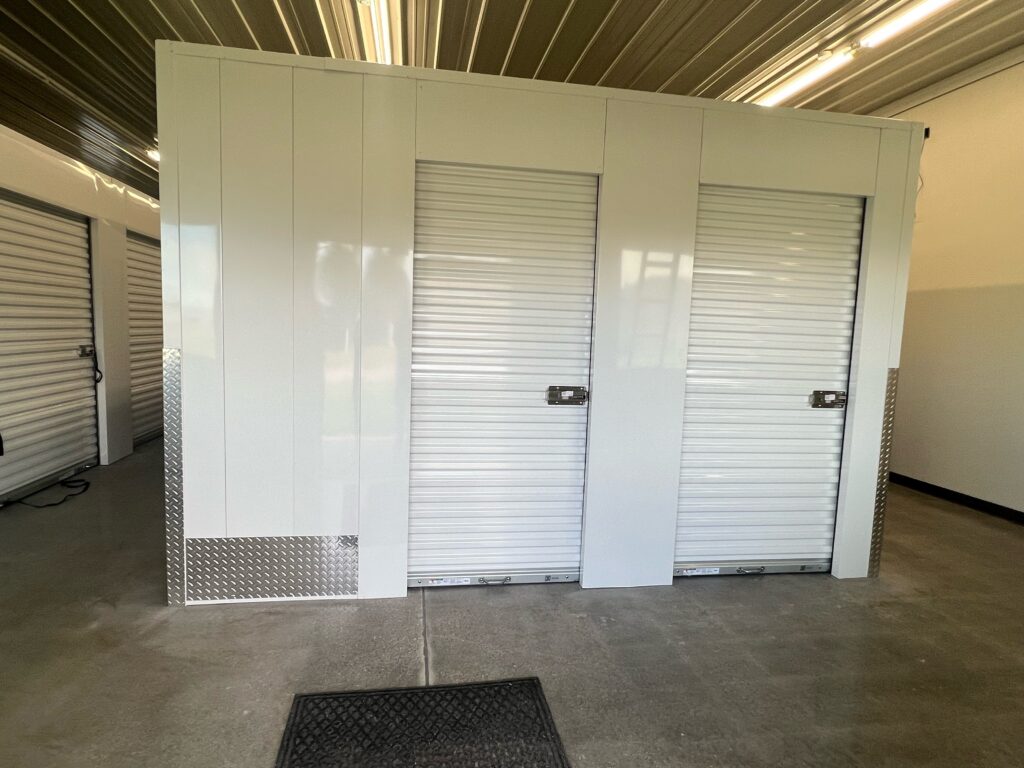
Your business needs reliable systems to capture these advantages, and that includes where you physically store inventory. Products sitting in disorganized, hard-to-access facilities undermine even the best digital tracking systems. Climate-controlled environments protect temperature-sensitive stock while 24/7 accessibility means you can respond to urgent orders any time without waiting for business hours.
Modern businesses require modern solutions across every part of their operations. When you need secure, organized storage that matches your inventory management standards, Keyless Storage delivers ground-floor access, smartphone-enabled entry, and complete climate control. Your inventory deserves the same level of systematic organization and security you’ve built into your digital processes.