Is a Climate Controlled Storage Facility Worth Your Money?
“For most people storing temperature-sensitive belongings for more than a few weeks, a climate-controlled unit prevents costly damage—often saving more money than it costs.” If you’ve ever unboxed a warped guitar, a mildewed sofa, or a stack of photo albums fused together, you already know how quickly heat and humidity can wipe out both sentimental and financial value. The extra line item on a storage bill feels minor compared to the price of replacing heirlooms, electronics, or unsellable business inventory.
You’re here to decide whether that premium is truly justified. This guide will give you the straight numbers and practical context you need. We’ll clarify what “climate-controlled” really means, highlight which items demand that protection, break down local price differences, and hand you a quick decision checklist. Stick around for money-saving tactics and renter tips that let you enjoy the perks of a modern, secure facility without paying a penny more than necessary.
What “Climate-Controlled” Really Means in Self-Storage
In self-storage, “climate-controlled” is not a marketing flourish; it’s a promise that both temperature and humidity stay within a safe band—roughly 55 – 85 °F and 30 – 60 % relative humidity (RH) year-round. That envelope mirrors what most homes provide, so your belongings never experience the thermal shock or sticky dampness that wrecks wood, fabric, and circuitry.
Many facilities advertise “temperature-controlled,” “heated,” or “air-cooled” units, but those labels often ignore humidity or allow wider swings. Always ask for the exact temperature range and whether humidity is actively managed. True climate-controlled buildings are fully insulated, use commercial HVAC systems with dehumidifiers, and rely on digital sensors that log conditions 24/7—crucial during Sioux City’s 100 °F summers and sub-zero winters.
Temperature regulation standards
National chains typically aim for a target of ≈ 70 °F ± 15 ° inside the hallway. Cooling kicks in during heat waves, while gas or electric heaters prevent freezing pipes in January. In contrast, a non-controlled metal unit can jump 30 °F in a single afternoon, baking finishes and causing plastics to sag.
Humidity management and air quality
HVAC cycles through high-efficiency filters and built-in dehumidifiers to keep RH near ≈ 45 %. Limiting moisture stops mold spores, rust on tools, and condensation inside electronics. Cleaner air also means less dust settling into furniture crevices and cardboard seams.
Additional built-in advantages
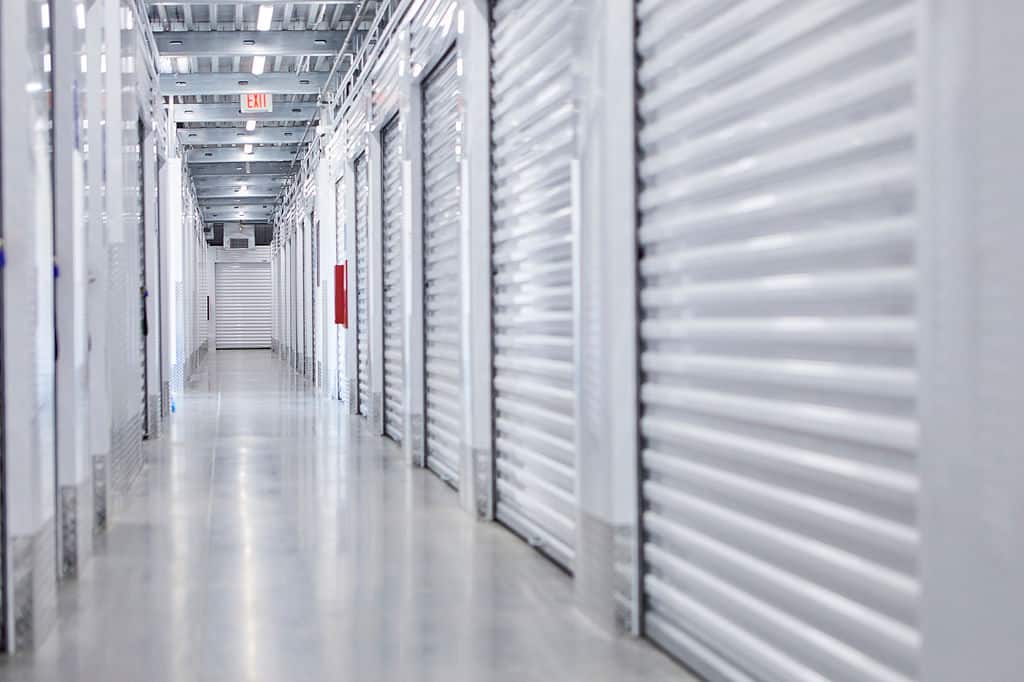
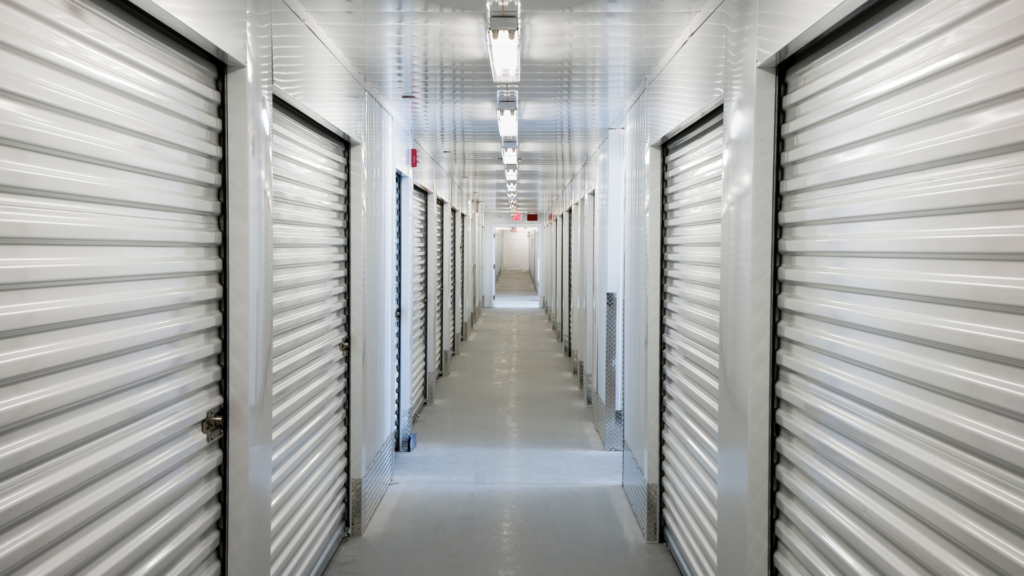
Because the gear lives indoors, climate-controlled wings usually feature enclosed hallways, brighter LED lighting, and tighter door seals—natural deterrents to pests and prying eyes. Modern facilities layer on cameras and keyless smartphone entry, so protection extends well beyond the thermostat.
Items Most (and Least) Likely to Need Climate Control
Not every box in your trunk deserves the red-carpet treatment of a climate-controlled storage facility, but anything that can warp, mold, or short-circuit does. Think of it this way: if replacing the item would hurt your wallet or your heart, pay for the protection. The two mini-cheat sheets below get you 80 % of the way to a decision.
| Must Have Climate Control | Why It Matters |
|---|---|
| Wood & leather furniture | Warps, cracks, dries out in humidity swings |
| Mattresses & upholstered sofas | Mold, mildew, dust-mite explosions |
| Musical instruments & vinyl records | Soundboard warping, record bending |
| Artwork, photos, collectibles | Color fading, canvas sagging, adhesive breakdown |
| Electronics & media | Condensation shorts, battery leakage |
| Important documents | Paper brittleness, ink bleed |
| Usually Safe Without | Caveats |
|---|---|
| Plastic totes of holiday decor | Seal lids; avoid candles that melt |
| Metal patio furniture | Oil or cover to prevent surface rust |
| Hand tools & lawn gear | Wipe with light machine oil |
| Hard toys & kitchenware | Store in breathable bins |
| Sports equipment (non-wood) | Clean and dry before packing |
Sensitive household goods
Wood tables, leather chairs, and mattresses behave like sponges. A single humid Iowa summer can bow a $1,200 oak dining table, leaving the leaves impossible to fit. Soft goods soak up odors and moisture, turning musty within weeks.
Electronics, media, and appliances
Circuit boards hate condensation. When temperatures swing from 30 °F truck beds to 90 °F metal units, water droplets form inside TVs and consoles, frying components. Batteries swell, screens delaminate, and magnetic media like cassette tapes demagnetize.
Business inventory and documents
E-commerce sellers lose money fast when bar-coded packaging curls or ink smudges. Medical or tax files may even require climate control under HIPAA or IRS retention rules. Controlled humidity also prevents pill clumping and label peeling on pharmaceuticals.
When basic storage is enough
If it’s plastic, metal, or easily replaced at a big-box store, standard drive-up storage will do. Run through this quick test: could rain, heat, or frost ruin it? Will you lose sleep if it does? If both answers are “no,” save the premium.
Pros and Cons: Climate-Controlled vs. Traditional Storage Units
Choosing between a standard drive-up locker and a climate-controlled storage facility isn’t only about comfort—it’s about risk tolerance, budget, and convenience. The quick rundown below pits the two options head-to-head so you can see where the extra dollars go and whether they’re justified for your situation.
Protection from heat, cold, moisture, and pests
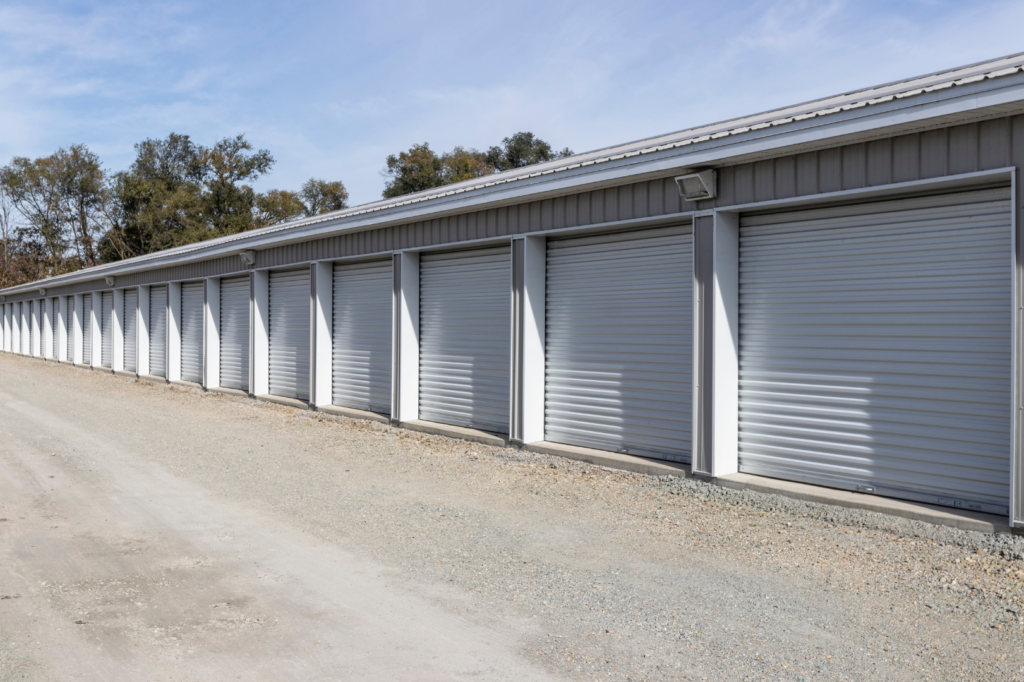
Sioux City swings from ‑10 °F blizzards to 100 °F heat waves with soup-level humidity in between. Climate-controlled buildings buffer those extremes, keeping temps near 70 °F and RH around 45 %, which blocks warping, mold, and rust. Indoor hallways also seal out mice and insects that can slip through roll-up doors in outdoor units.
Upfront cost difference
Nationwide, the premium runs $25–$50 per month. Locally, a 10×10 traditional unit averages about $80, while the same size in a controlled environment hovers around $105—a $0.83 daily bump, roughly the price of a gas-station coffee.
Long-term value calculation
Replacing a $400 TV ruined by condensation after four months equals the entire $100 climate-control premium for that period. Use the simple formula: (Replacement Cost − Resale Value) ÷ Monthly Premium = Break-Even Months. If the result is less than your planned rental term, paying extra makes financial sense.
Convenience and user experience perks
Indoor units mean no frozen fingers or sweat-soaked loading sessions. Carts, wide hallways, better lighting, and smartphone entry further streamline visits—big wins for small business owners who pull inventory weekly.
Common drawbacks
Drive-up access is rare; you’ll haul items through hallways or an elevator. Older facilities may restrict late-night entry to save energy, and popular sizes can carry a waitlist. If you’re storing oil-coated tools for a month, those trade-offs (and the added fee) might feel unnecessary.
Cost Breakdown: What You Really Pay For
Sticker price is only part of the bill. A climate-controlled storage facility folds utility costs, technology, and insurance requirements into its rates, so you need to look at the all-in number before signing a lease. Use the sections below to build a clear, no-surprises budget.
Monthly rental rates and regional factors
Because heating and cooling eat electricity, the same 10×10 unit that costs $105 in energy-cheap Sioux City can hit $140 in coastal metros where power and real estate run higher. Conversely, Midwest facilities often throw in promotions—first month free, military discounts, or 5 % off for autopay—to stay competitive. Always ask.
Additional fees to watch
- One-time administration/setup: $15–$35
- Refundable security deposit: equal to one month’s rent at some properties
- Mandatory tenant insurance: $9–$20 per month for $2,000–$5,000 in coverage
- Smart-lock or key fob rental: $5–$12 monthly
Add these to the base rent to reveal the real monthly outlay.
Total cost of ownership worksheet
Plug your numbers into the quick table, then decide if the protection outweighs the spend.
| Item | Formula | Example |
|---|---|---|
| Term cost | Rate × Months | $105 × 6 = $630 |
| Fees & deposits | Sum of fixed fees | $40 |
| Insurance | Premium × Months | $12 × 6 = $72 |
| Promotions | Subtract discounts | –$105 (first month free) |
| Total | Add all rows | $637 |
That’s what you actually pay—no guesswork required.
Deciding Factors: Is Climate Control Worth It for YOU?
A climate-controlled storage facility isn’t a one-size-fits-all upgrade. Run through the five checkpoints below; if you answer “yes” to three or more, paying the premium is probably a smart move.
Your local climate and weather patterns
Look up the 10-year highs, lows, and average humidity on NOAA or Weather.com. If temps swing below 32 °F or above 90 °F, or humidity averages over 60 %, the protection of regulated air is worth considering.
How long you plan to store
Risk compounds over time. Under 30 days? You might skate by without control. From a season to several years, small daily fluctuations add up to warped wood, condensation, and mold growth.
Monetary vs. sentimental value
Put a dollar—or emotional—price on each item. If replacing or repairing it costs more than two months of climate-control rent, the safer environment already pays for itself.
Unit size and packing density
Tightly packed boxes restrict airflow, trapping moisture near surfaces. The smaller or fuller the unit, the greater the need for active ventilation and dehumidification.
Opportunity cost and peace of mind
Stress has a price tag. If you’ll worry about guitars warping or invoices curling every humid night, the extra $1–$2 a day buys freedom from that mental load.
Legal and Safety Considerations You Might Overlook
A self-storage lease is more than a handshake; it sits inside a web of zoning codes, insurance clauses, and facility rules. Skipping the fine print can turn an affordable climate-controlled unit into an expensive headache—or worse, a legal violation.
Why living in a storage unit is illegal
Storage units are zoned as commercial warehousing, not residential housing. Local ordinances, fire codes, and rental contracts uniformly ban habitation because units lack proper egress, ventilation, and utilities. Caught sleeping inside, you risk eviction, fines, and possible trespassing charges—not to mention life-safety hazards like carbon-monoxide buildup.
Insurance requirements
Many tenant-insurance policies add a caveat: electronics, antiques, and artwork are covered only when stored in a climate-controlled environment. Skip the upgrade and you could forfeit reimbursement for temperature-related damage. Always read the exclusions list and keep a copy of your climate-control addendum on file.
Facility security protocols
Legitimate climate-controlled buildings layer security: 24/7 video, individual access logs, sprinkler systems, and—at tech-forward sites like Keyless Storage—smartphone entry you can share or revoke in seconds. Robust monitoring protects your belongings and creates an audit trail that deters theft and resolves liability disputes.
Tips to Maximize Value from a Climate-Controlled Rental
A climate-controlled storage facility already does the heavy lifting against heat and humidity; your job is to pack, track, and pay in ways that squeeze every last penny of value from that monthly fee. The tactics below keep your belongings safer and your budget healthier.
Packing strategies that complement climate control
- Use breathable cotton or furniture blankets instead of plastic wrap so air can circulate
- Leave 2–4 inches between stacks and walls; HVAC needs room to work
- Elevate boxes on pallets to guard against the rare spill or condensation puddle
- Add silica-gel packets inside bins of photos or electronics for extra moisture insurance
- Loosen guitar or violin strings; wood still expands and contracts slightly even in regulation air
Inventory and documentation best practices
Number every box, snap a quick photo of its contents, and store the list in Google Drive or Apple Notes. A simple spreadsheet with columns for item value, condition, and box number turns insurance claims or tax write-offs from nightmares into five-minute chores.
Leverage technology for convenience and security
Keyless systems let you grant a mover one-time access, then revoke it instantly. Many facilities offer mobile dashboards that ping you if the unit’s temperature drifts or a door stays open too long—peace of mind without a drive-by check.
Saving money without sacrificing protection
- Install vertical shelving to downsize to a smaller (cheaper) unit
- Split a large climate-controlled space with a trusted friend; divide the rent, keep the security
- Ask about loyalty, referral, or military discounts—most managers can trim 5–10 % if you sign a longer lease
- Schedule your move during promo periods (winter, end of month) when facilities run “first month free” deals
A Simple, Sensible Choice
For most storage customers, climate control is not a luxury; it’s cheap insurance. For roughly the cost of a daily coffee, you shield wood, fabric, electronics, and irreplaceable memories from Iowa’s deep freezes and muggy summers. Add in cleaner air, better security, and a comfortable loading bay, and the upgrade usually pays for itself the first time you avoid a warped table or fried hard-drive.
Ready to lock in that protection? Every unit at Keyless Storage in Sioux City is 100 % climate-controlled and opened with a tap on your phone—no keys to lose, no office hours to beat. Check sizes, see live pricing, and rent in under two minutes at Keyless Storage. Your stuff—and your future self—will thank you.