Modern Storage Solutions: 6 Stylish Ideas for Small Spaces
Small spaces shrink even smaller when stuff piles up. Your bedroom floor becomes a closet extension. Kitchen counters disappear under gadgets and mail. Bathroom shelves overflow with products you forgot you owned. Every surface fills with things that need somewhere to go, but you’re running out of floor space and wall room to put them. Living small doesn’t mean living without your belongings. It just means you need smarter ways to store them, solutions that work with your space instead of against it.
This guide shows you six modern storage solutions that actually fit your life. You’ll find ideas that look good, work hard, and don’t eat up precious square footage. From furniture that hides storage in plain sight to clever ways to use vertical space, each option gives you more room without making your place feel cramped or cluttered. We’ve included what to look for when shopping, how much to budget, and practical ways to make each solution work for your specific space. Some ideas you can buy today. Others take a weekend to set up.
1. Smart off site storage with Keyless Storage
Off site storage takes your belongings out of your home and puts them somewhere secure until you need them again. You keep the items you use daily in your living space and move everything else to a climate-controlled unit you can access whenever necessary. This option works especially well for seasonal items, business inventory, or furniture you’re not ready to part with but don’t have room to keep at home.
How this solution works
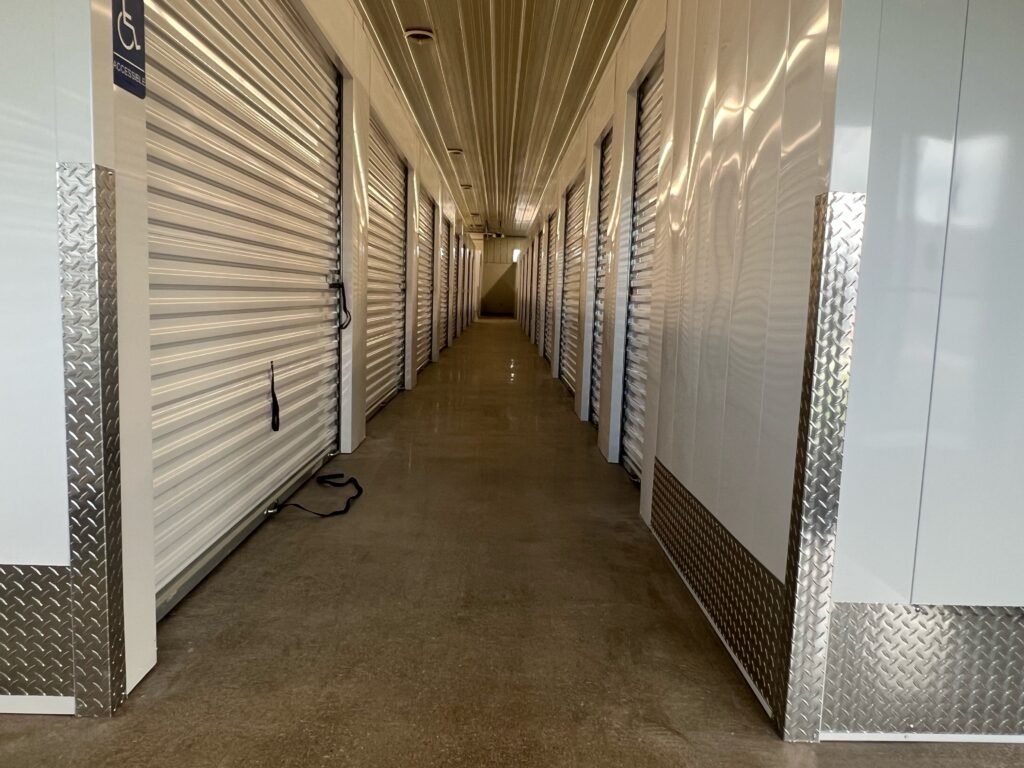
You rent a storage unit through an online booking system and gain 24/7 access through a smartphone app instead of traditional keys. Keyless Storage in Sioux City uses smartphone-enabled locks that let you unlock your unit from your phone, eliminating the hassle of physical keys or access cards. Your unit stays climate controlled year-round, protecting furniture, electronics, documents, and other sensitive items from temperature and humidity damage. Video surveillance monitors the facility continuously, and you can visit your unit any time, day or night.
Why it works in small spaces
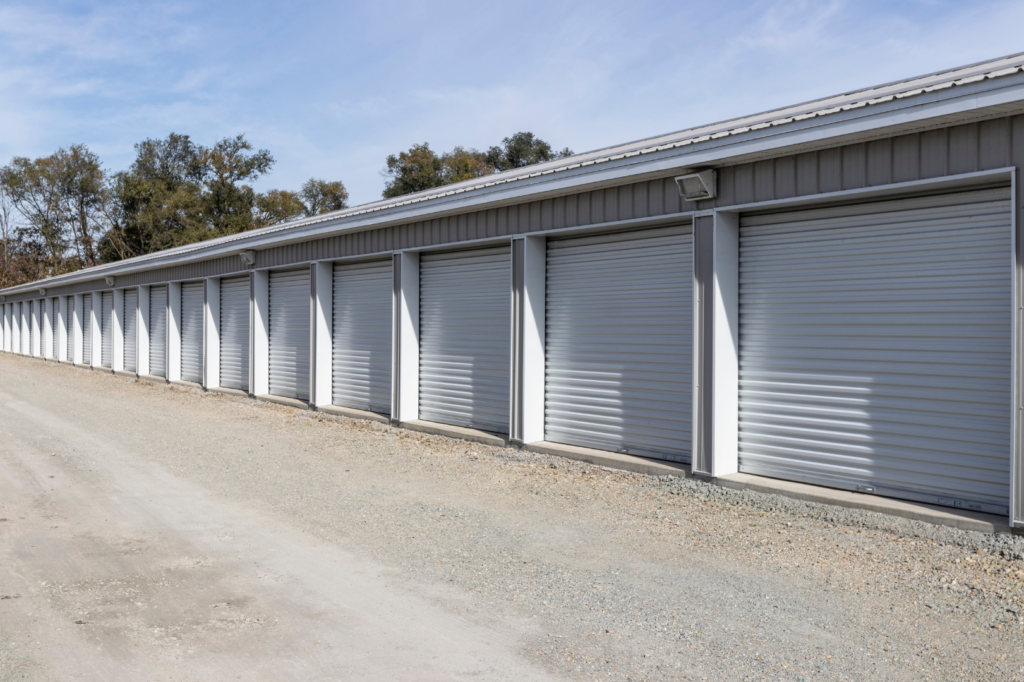
Moving items off site immediately frees up square footage in your home without forcing you to sell or donate things you want to keep. You reclaim closet space, clear out cramped corners, and open up rooms that felt too packed. Storage units come in multiple sizes, so you pay only for the space you actually need. Ground-floor access makes loading and unloading simple when you need to swap seasonal items or retrieve stored belongings.
Off site storage gives you the freedom to keep what matters without sacrificing your living space.
Style and layout ideas
Use off site storage for items that take up serious space but see limited use. Winter clothing and bedding move out during summer months. Holiday decorations stay in storage for 11 months of the year. Families store extra furniture during moves or renovations. Small business owners keep inventory and equipment off site instead of cluttering their homes or apartments. You create a rotation system where seasonal items swap places, keeping your home organized throughout the year.
Cost and buying tips
Compare unit sizes carefully before renting to avoid paying for unused space. A 5×5 unit holds about 10 boxes plus small furniture pieces, while a 10×10 unit fits an entire bedroom’s worth of items. Book online to see immediate availability and current rates. Join waiting lists for popular sizes if your first choice isn’t available. Calculate whether you need short-term storage during a transition period or long-term solutions for ongoing space issues.
2. Storage furniture that works double duty
Furniture that serves multiple functions solves two problems with one piece. A coffee table that lifts to reveal hidden storage. An ottoman that opens to hold blankets. A bed frame with built-in drawers underneath. These pieces give you surfaces and seating while secretly stashing items you need but don’t want visible. Double-duty furniture keeps your rooms functional without adding extra pieces that crowd your floor plan.
How this solution works
These pieces build storage directly into their design rather than adding it as an afterthought. Ottomans feature hollow interiors accessed through lift-off tops or hinged lids. Coffee tables include drawers, shelves, or lift-top compartments that create workspace when needed. Bed frames incorporate drawers that slide out from underneath or hydraulic lifts that raise the entire mattress to reveal massive storage areas. Benches hide storage compartments beneath their seats while providing places to sit in entryways or at the foot of your bed.
Why it works in small spaces
You get storage without dedicating floor space to standalone cabinets or shelving units. Each piece pulls double duty, which means fewer total items in your room and more open space to move around. Storage stays hidden inside furniture you already need, keeping your rooms looking clean instead of cluttered with visible organization systems. The furniture serves its primary function while the storage works behind the scenes.
Double-duty furniture maximizes every square foot by making each piece earn its place twice over.
Style and layout ideas
Choose pieces that match your existing furniture while adding the specific storage you need. Upholstered storage ottomans work in living rooms for throw blankets and remote controls. Platform beds with drawers store clothing, shoes, or linens in bedrooms where closets run small. Dining benches with lift seats hold table linens, serving pieces, or kids’ toys. TV stands with cabinets and drawers replace separate media storage units.
Cost and buying tips
Budget between $150 and $800 depending on size and quality. Solid wood pieces with quality hardware last longer than particle board alternatives. Test lift mechanisms in person when possible to ensure they operate smoothly and feel sturdy. Measure storage capacity carefully since these modern storage solutions often hold less than dedicated storage furniture of similar size. Check return policies before buying since you can’t always gauge storage depth from product photos alone.
3. Vertical shelves and wall systems
Wall-mounted storage takes advantage of the space between your floor and ceiling that usually sits empty. Vertical shelving units, floating shelves, pegboards, and ladder-style racks climb upward instead of spreading outward, giving you storage capacity without eating up floor space. These modern storage solutions attach directly to walls or lean against them, turning blank vertical surfaces into organized storage that keeps daily items within reach while keeping your floor clear.
How this solution works
You mount shelves, brackets, or complete shelf systems to your walls using anchors and screws, or you position tall freestanding units that lean securely against the wall. Floating shelves attach with hidden brackets for a clean, minimal look. Pegboard systems let you arrange hooks and small shelves in custom configurations. Ladder-style units lean at an angle with progressively narrower shelves toward the top. Tall bookcases and floor-to-ceiling units maximize vertical space with multiple shelf levels for books, baskets, and decorative items.
Why it works in small spaces
Vertical storage multiplies your usable space without requiring more square footage. You gain storage capacity by building upward instead of outward, leaving floor space open for furniture and movement. Wall-mounted options float above your furniture without blocking windows or competing for floor area. The higher placement keeps stored items visible and accessible while drawing the eye upward, which makes rooms feel taller and more spacious.
Vertical storage turns wasted wall space into practical organization without crowding your floor.
Style and layout ideas
Install floating shelves above desks, sofas, or beds to create storage zones without adding furniture below. Mount pegboard panels in kitchens, home offices, or entryways for customizable tool and supply storage. Position ladder shelves in bathrooms for towels and toiletries or in living rooms for plants and books. Use tall, narrow bookcases in corners or beside doorways where horizontal furniture won’t fit.
Cost and buying tips
Floating shelf sets start around $20 to $60 depending on length and material. Pegboard kits with hooks and accessories run $30 to $100. Ladder shelves range from $50 to $200 based on size and finish. Tall bookcases cost $100 to $400 for solid wood construction. Verify your wall type before mounting heavy shelving systems, since drywall requires proper anchors while studs provide the strongest support.
4. Slim storage for underused gaps
Narrow spaces between appliances, furniture, and walls usually sit empty because standard storage pieces don’t fit. Slim rolling carts, narrow cabinets, and gap fillers transform these forgotten inches into practical storage areas. These pieces measure as narrow as four to six inches wide but stretch vertically to maximize their limited footprint, tucking into spaces that would otherwise contribute nothing to your storage capacity.
How this solution works
These ultra-narrow units slide into gaps you can’t use any other way. Rolling carts on wheels pull out when you need access and push back flush when not in use. Slim cabinets mount to walls or stand independently between your refrigerator and counter or beside your washing machine. Tower-style organizers stack multiple shelves vertically to compensate for their narrow width.
Why it works in small spaces
You capture storage potential from areas you already own but can’t normally access. The narrow profile doesn’t interfere with traffic patterns or door swings while adding multiple shelves of storage where nothing existed before. Wheels make these pieces easy to reposition when you need to clean or reorganize, and their vertical orientation provides shelf space without occupying valuable floor area.
Slim storage captures every available inch by fitting where standard furniture simply can’t go.
Style and layout ideas
Position slim carts beside refrigerators for pantry overflow or cleaning supplies. Slide narrow towers between your washer and dryer for laundry products. Use gap-filling cabinets in bathrooms between vanities and toilets for extra toiletries. Place rolling units next to desks or workstations for office supplies.
Cost and buying tips
Expect to spend $25 to $120 for most slim storage solutions. Measure your gap precisely before shopping since these pieces come in specific widths that rarely adjust. Metal construction with quality casters lasts longer than plastic alternatives. Verify the unit’s depth matches your available space since some slim pieces extend far to compensate for their narrow width.
5. Modular closet and wardrobe systems
Customizable closet systems let you build storage that fits your exact space and needs instead of working around fixed shelves and rods. Modular components snap together or mount to walls in configurations you design yourself, adapting to awkward closet shapes, slanted ceilings, or non-standard dimensions. These systems include adjustable shelves, hanging rods, drawers, and specialty organizers that you can rearrange as your storage needs change over time.
How this solution works
You start with vertical panels or wall-mounted standards that serve as the framework for your system. Shelves and hanging rods clip into place at heights you choose, while drawers and baskets slide onto the framework. Systems from retailers expand or contract to fit closets from three to ten feet wide. You configure each section based on what you store, dedicating more space to hanging clothes or more shelves for folded items and shoes.
Why it works in small spaces
Custom configurations eliminate wasted vertical space that fixed shelving leaves empty. Adjustable components let you fit storage into every available inch from floor to ceiling without gaps or unused areas. The flexibility means you can modify your setup when you move or when your storage needs shift, making these modern storage solutions work harder than one-size-fits-all alternatives.
Modular systems adapt to your space and needs instead of forcing you to work around fixed limitations.
Style and layout ideas
Install double hanging rods to stack short items like shirts and jackets vertically. Add pull-out drawers for accessories, undergarments, or folded sweaters. Mount shoe racks at floor level or on doors. Create zones for different clothing types rather than mixing everything together.
Cost and buying tips
Basic systems start around $100 to $300 for small closets, while complete bedroom installations run $500 to $1,500. Measure your closet’s width, depth, and height before shopping since components come in specific sizes. Metal and wood systems outlast wire alternatives. Purchase more clips and brackets than you initially need for future adjustments.
6. Space saving kitchen and bath storage
Kitchens and bathrooms pack lots of items into tight quarters, making every inch of storage space critical. Specialized organizers designed for these rooms fit into cabinets, drawers, and awkward corners where standard storage pieces don’t work. Pull-out shelves, magnetic holders, stacking bins, and over-the-door racks target the specific storage challenges these spaces create, turning wasted areas into practical storage without requiring construction or permanent modifications.
How this solution works
These modern storage solutions attach to existing surfaces or slide into current cabinets to multiply your storage capacity. Pull-out shelves mount inside deep cabinets and glide forward to bring items within reach. Magnetic strips and racks stick to refrigerator sides or metal surfaces for spice jars and utensils. Stacking bins create vertical layers in cabinets, while over-the-door organizers hang on cabinet or bathroom doors without drilling holes.
Why it works in small spaces
You extract more storage from the square footage you already have without adding furniture or occupying floor space. Cabinet organizers prevent items from getting lost in dark corners, which means you actually use your full storage capacity instead of just the front few inches. Vertical stacking compensates for limited cabinet width, and door-mounted storage captures surfaces that normally contribute nothing.
Space-saving organizers turn existing kitchens and bathrooms into efficient storage zones without expansion or renovation.
Style and layout ideas
Install pull-out shelves in lower kitchen cabinets for pots, pans, and small appliances. Mount magnetic knife strips and spice racks on backsplashes or inside cabinet doors. Use stackable clear bins in pantry cabinets to group similar items. Hang over-the-toilet shelving units or door-mounted towel racks in bathrooms.
Cost and buying tips
Budget $15 to $80 per organizer depending on size and complexity. Measure your cabinet dimensions before buying pull-out shelves since they come in specific widths and depths. Choose clear acrylic or wire construction for visibility. Buy adhesive options for rentals where drilling isn’t allowed.
Make room for what matters
Small spaces work better when you choose modern storage solutions that match how you actually live. You don’t need to sacrifice your belongings or settle for visible clutter when smart storage strategies create the room you need. Each solution in this guide tackles specific storage challenges, from furniture that hides items in plain sight to vertical systems that climb your walls. The right combination depends on your space, your budget, and what you need to store.
Off site storage gives you the biggest immediate impact by moving items out of your home entirely. Keyless Storage offers climate-controlled units with smartphone access whenever you need to swap seasonal items or retrieve stored belongings. Your home stays organized while your possessions stay protected and accessible year-round.