15 Types of Storage Units and How to Choose the Right One
There are more than a dozen self-storage formats—indoor lockers, garage-style drive-ups, climate-controlled suites, even curbside pods delivered to your driveway. Choosing among them can feel like guessing at a menu without prices. Pick wrong and your antique dresser may warp, or you could end up paying for square feet you never use.
This guide sorts the confusion into a clear, side-by-side tour of 15 popular unit types. You’ll learn what each space costs on average, the conditions it can (and can’t) provide, plus the items and scenarios it handles best—from a single semester’s worth of dorm gear to a 40-foot motorhome. Quick decision checkpoints at the end of every section make it easy to match your belongings to the right environment and budget. Read on, build your shortlist, and rent with confidence instead of crossed fingers. Your wallet, schedule, and valuables will thank you for the extra five minutes later.
Indoor Climate-Controlled Storage Units
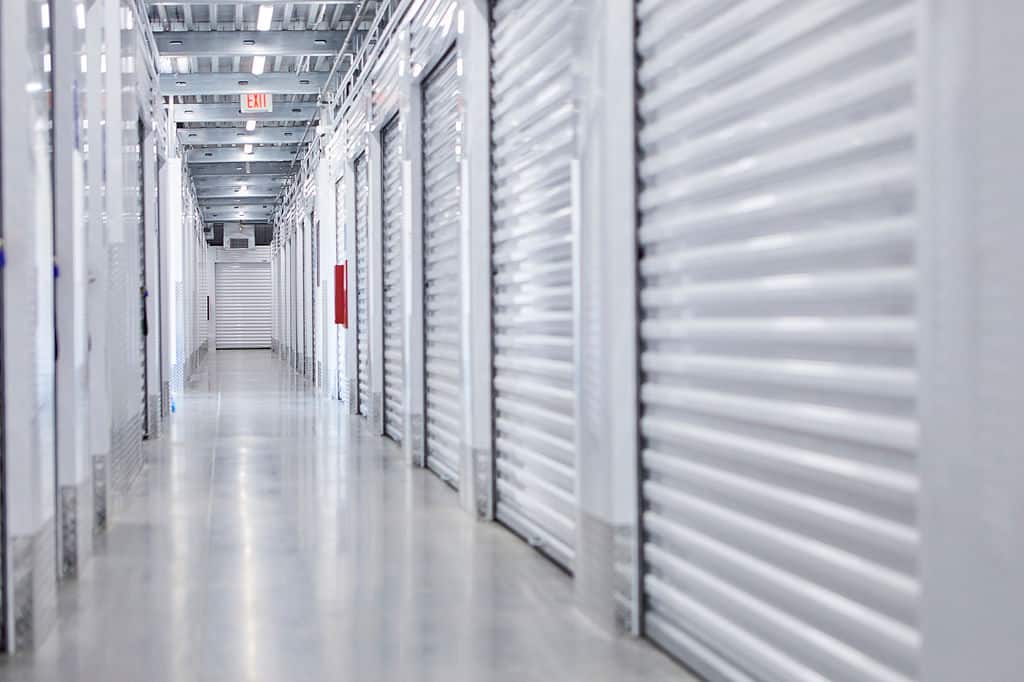
Among all types of storage units, indoor climate-controlled rooms are the gold standard when you need museum-level protection. Nestled inside a sealed building, they even out Sioux City’s sticky summers and sub-zero winters, so moisture, heat spikes, and frost never reach your valuables.
How Climate-Controlled Units Work
Integrated HVAC keeps air between 55 – 85 °F while dehumidifiers hold humidity at 30 – 50 %. Corridors are gasketed and doors weather-stripped to block dust, pollen, and pests. Continuous fans circulate air, preventing hot or cold pockets that can warp wood or fry electronics.
Ideal Items & Users
Perfect for wood antiques, leather sofas, artwork, vinyl, photos, electronics, pharmaceutical samples, and business archives. Collectors, long-term movers, and anyone storing more than six months—or living in extreme-weather regions—will see the biggest payoff.
Pros, Cons & Cost Expectations
- Pros: rock-steady environment, added security from interior hallways.
- Cons: 25–50 % higher rent, no drive-up access.
Expect to pay roughly $30–$50 more per month than a same-size non-climate unit.
Standard Indoor Storage Units (Non-Climate-Controlled)
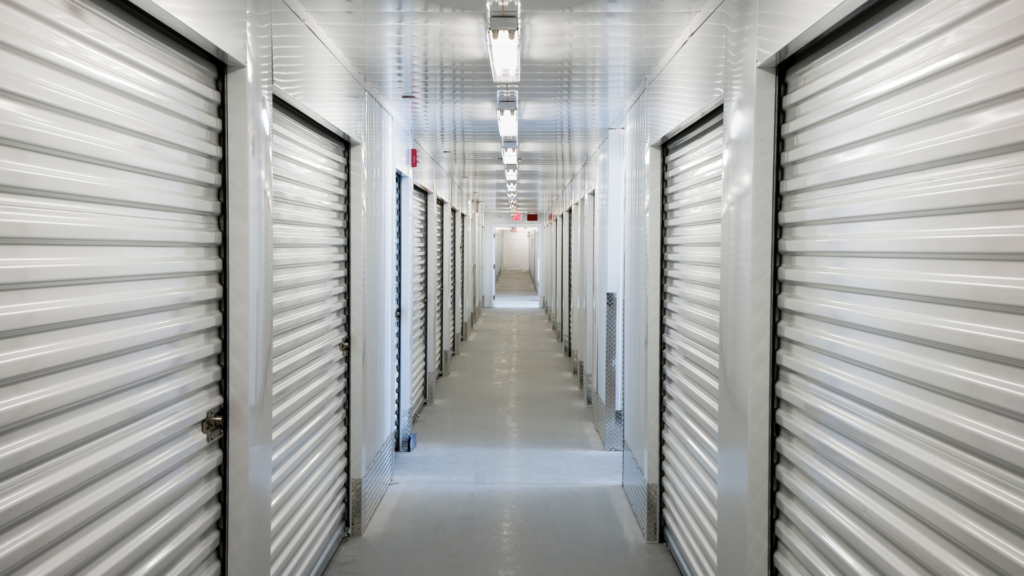
Standard indoor units bridge the gap between bare-bones drive-ups and pricier climate suites. You still get a locked hallway room, but air is passively vented, keeping costs low.
What Defines This Unit
Located inside the main building, these rooms use sheet-rock or metal walls and overhead lighting. Conditions mirror outdoor temps, yet avoid direct sun, rain, and dust.
Best-Fit Belongings & Time Frames
Ideal for holiday décor, sports gear, camping kits, plastic tubs of clothing, and short overflow during moves. Limit stays to six months in humid regions.
Cost & Watch-Outs
Expect to pay $15–$40 less per month than climate control—the cheapest indoor tier. Use moisture absorbers, pallet shelving, and insurance if storing electronics or anything that dislikes heat swings.
Drive-Up (Outdoor) Storage Units
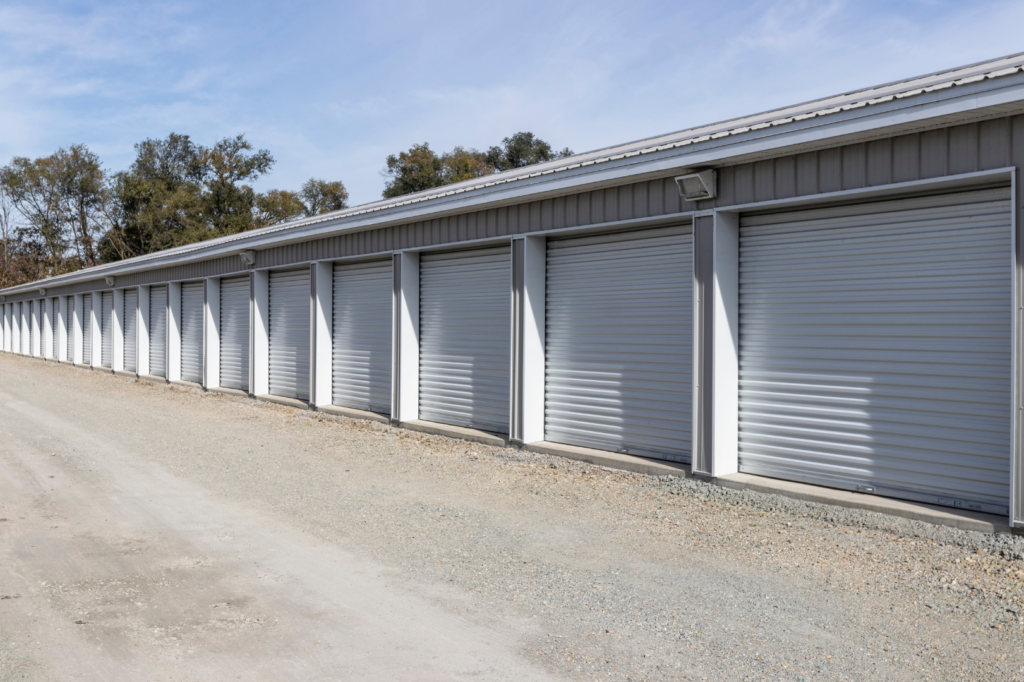
Need to unload a sofa without wrestling it down a hallway? Drive-up units let you back a car or U-Haul straight to the door, making them the quickest option for heavy, bulky loads.
Garage-Style Convenience
These ground-floor “mini-garages” come in sizes from 5×10 to 10×30, all with concrete floors and roll-up steel doors. Park, pop the latch, and you’re moving in under a minute—no elevators, no dollies required.
Perfect Scenarios
Choose a drive-up when you need frequent, heavy lifts:
- Whole-home moves
- Contractors’ daily tool runs
- Appliance or mattress storage
- Weekend motorcycles and ATVs
Climate & Security Caveats
Units bake in summer and freeze in winter, so skip delicate wood, vinyl records, and electronics unless they’re boxed with desiccants. Elevate items on pallets, carry tenant insurance, and use a disc lock. Confirm the lot has gated keypad entry, bright LED lighting, and cameras before signing.
Portable On-Site Storage Containers
Portable storage pods bring the dock to your driveway. Instead of trekking to a facility, the container sits steps from your door until you call for pickup.
Service Model Basics
A truck drops a steel or composite pod, weather-sealed with tie-down points. Load at your pace. The company leaves it curbside or hauls it to a guarded warehouse.
Use Cases
Because the box stays on your property, it’s perfect for remodeling messes, disaster cleanup, staging a house, or bridging the gap between move-out and move-in dates.
Size, Cost & Permit Factors
Typical lengths are 8, 12, or 16 ft with an 8-ft width. Budget for delivery, pickup, plus $150–$300 per month. Street placement may need city permits or HOA sign-off.
Uncovered Vehicle Parking Spaces
Uncovered parking is the most economical way to store vehicles when a driveway or curb spot just won’t cut it. You rent a marked outdoor stall inside a secured lot and pay month-to-month like any other unit, with easy contract upsizing.
Key Features
- Gated keypad entry
- Numbered gravel or paved stalls
- LED perimeter cameras
- 24/7 drive lanes
Suitable Vehicles & Gear
- Cars & SUVs
- Utility trailers
- Jet skis
- Small boats on trailer
Weather Exposure & Mitigation
- Use UV-resistant covers
- Start engines monthly, inflate tires
- Apply fuel stabilizer
Covered Vehicle Storage Units
Covered vehicle storage sits between bare parking and full garages. A raised canopy shields paint and interiors from sun, hail, and Midwest snowstorms while the sides remain open for effortless drive-through access and easy battery checks.
Structural Description
Steel posts support a single-slope metal roof; numbered stalls rest on paved or gravel pads and occasionally include a 110-volt outlet for trickle charging.
Who Benefits
- Collector cars
- Small RVs & pop-ups
- Bass boats & jet skis
Pricing & Availability
Expect rates 15–30 % higher than uncovered parking yet 30–50 % below enclosed garages. Suburban facilities usually have more covered slots than dense downtown lots.
Enclosed Vehicle or Garage-Style Storage
Think of this option as renting a private, lock-and-leave garage inside the facility. Four walls, a roof, and a roll-up steel door isolate your ride from weather, dust, and curious passers-by. Among all types of storage units, it delivers the tightest security envelope for anything on wheels.
Full Enclosure Advantages
Skip UV fade, hail dents, and overnight freezes. Interior temps stay steadier, rodents have fewer entry points, and many units arrive pre-wired for overhead lights—making late-night wrench sessions possible.
Ideal Renters
- Luxury and classic cars
- Motorcycles or ATVs awaiting next season
- Project vehicles under restoration
- Service vans loaded with tools or inventory
Upgrades to Request
Ask about 110- or 220-volt outlets for trickle chargers, individual door alarms, and facility Wi-Fi so you can install a cloud-connected camera for extra peace of mind.
Boat & Watercraft Storage
Boats, Jet Skis, and pontoons need specialized off-season parking. Purpose-built storage keeps hulls clean and motors healthy while freeing your driveway.
Storage Formats
- Dry-stack racks inside forklift-served warehouses
- Fenced outdoor pads with trailer tie-downs
- Indoor “boatels” – climate-controlled bays up to 40 ft
- Marina slips for in-water storage with shore power
Preparation Checklist
- Drain water systems and add
RV/Marineantifreeze - Fog engine and top off stabilized fuel
- Remove batteries; trickle-charge at home
- Shrink-wrap or use breathable cover
Insurance & Licensing Tips
- Verify facility liability limits; keep an active watercraft policy
- Maintain current trailer tags—some states ticket on private lots
- Photograph the vessel at drop-off for condition records
RV & Camper Storage
Motorhomes and travel trailers eat driveway space and break many HOA rules. A dedicated RV storage slot frees up your curb and protects your rolling vacation home for the next road trip.
Tiers Explained
Pick a tier:
- Uncovered pad – cheapest; fully exposed.
- Covered canopy – roof only, shields sun / hail.
- Enclosed coach-house – four walls, lock, optional power.
Measurement & Clearance Checks
Measure overall length and highest point (A/C or satellite); compare to gate and bay clearances. Don’t forget width — slide-outs and mirrors increase the profile.
Off-Season Maintenance
- Disconnect battery or use trickle charger.
- Inflate tires, roll monthly.
- Set rodent traps and moisture absorbers.
Wine Storage Lockers
Wine is temperamental—temperature swings, dry air, and UV light can spoil flavor faster than you can say “cheers.” Among all types of storage units, climate-tuned wine lockers give every bottle its own miniature cellar, without the cost of building one at home.
Environmental Specs
- Steady
55 °F(+/– 1 °F) year-round - Humidity held between
60–70 %to keep corks swollen - Vibration-dampened shelving and low-lux LED lighting
- Separate HVAC zone and charcoal filtration to block odors
Users & Collection Sizes
Perfect for restaurant owners, private collectors, or wine clubs stashing 20 to 2,000 bottles—especially labels meant to age five years or more.
Added Amenities
Some facilities offer keyed or app-based lockers, on-site tasting rooms, receipt scanning for inventory, and concierge shipping services for auction purchases or holiday gifting.
Document & Record Storage Services
Paper files aren’t going away, and stacking them in a closet invites fire, theft, and fines. Document-storage services expand self-storage with strict tracking, fire-rated rooms, and lightning-fast retrieval.
How Off-Site Record Storage Works
- Boxes get bar-coded, scanned into a database, and shelved inside fire-rated, climate-controlled vaults.
- Need a document? Request courier delivery or receive a secure same-day PDF scan.
Industries That Depend on It
- Law, medical (HIPAA), finance, insurance, and government agencies rely on off-site storage for mandated multi-year retention.
Compliance & Access Considerations
- Providers maintain chain-of-custody logs and enforce retention schedules you set.
- Expect rush retrieval fees for after-hours requests; scheduled shredding is usually bundled into the contract.
Storage Lockers & Mini-Units
When you only have a car-load of stuff, leasing a full-size room is overkill. Mini-units—often called lockers—shrink costs without sacrificing security.
Micro-Storage Defined
These cubbies measure 3×3, 4×4, or 5×5 feet and may stack two high along indoor corridors accessed by keypad.
What Fits
Think carry-on luggage, holiday ornaments, a set of golf clubs, six archive boxes, or the camping gear hogging your closet.
Price & Accessibility Notes
They’re the facility’s cheapest option—sometimes under $30 a month—but ceiling height can be limited, and you might need your own step stool during busy hours.
Student Storage Solutions
College moves happen in quick, chaotic waves—everything must be gone in May and back again by August. Semester-timed storage plans keep that shuffle painless.
Semester-Based Contracts
- 4-, 8-, and 12-week all-inclusive bundles
- Door-to-dorm pickup, vaulted storage, and redelivery
- Flat pricing so parents don’t get surprise bills while you’re abroad
Typical Items Stored
- Mini-fridges, microwaves, and futons
- Bedding sets and winter coats
- Bikes, skateboards, textbooks, and gaming consoles
Money-Saving Tips
- Split a larger unit with roommates
- Book early for “finals week” discounts
- Bring your own padlock and skip add-on fees
Business Inventory & Flex Warehouse Units
When standard self-storage starts feeling tight, flex warehouse bays bridge the gap. These units combine garage-style access with small-business perks—think pallet-friendly doors, built-in power, and space that scales as orders spike. They’re the chameleon of all the types of storage units, morphing from overflow stock room to light-duty workshop overnight.
Layout & Amenities
- 12–20 ft ceilings for vertical racking
- Roll-up doors wide enough for pallet jacks or small box trucks
- 110/220-volt outlets, LED lighting, optional Wi-Fi
- Shared restrooms, on-site package acceptance, after-hours access
Who Uses Them
- E-commerce sellers handling daily pick-pack-ship
- Event or party rental companies storing tents and décor
- Contractors parking service vans and staging materials
- Seasonal retailers needing pop-up overflow between holidays
Scaling & Zoning Caveats
Check municipal zoning; some cities ban retail foot traffic in warehouse districts. Verify commercial liability insurance, sprinkler codes, and whether forklift use is permitted. Negotiate a short renewal cycle so you can upsize—or downsize—without penalty.
Smart Keyless Entry Storage Units
Keyless units replace metal hasps and padlocks with app-controlled smart locks. Open, share, or revoke access from your phone—no more copying keys or meeting movers at 7 a.m. Because every tap is time-stamped, you gain a built-in audit trail that traditional storage simply can’t match.
Technology Snapshot
- Bluetooth or Wi-Fi lock cylinders embedded in the door
- Encrypted mobile app with PIN or biometric login
- Cloud dashboard for activity logs and digital guest passes
Advantages Over Traditional Locks
- Send temporary codes to friends, contractors, or delivery drivers
- Instantly disable lost phones or fired employees
- Get real-time push alerts each time the door opens
Security & Cost Implications
Smart hardware is often bundled with climate control and video surveillance, adding about $5–$10 per month. You’ll need a smartphone and decent signal on-site, but the convenience and data trail far outweigh the small tech premium for most renters.
Final Thoughts on Picking the Perfect Unit
Match the space to the stuff—that’s the whole game. Before you sign a lease, list every item you’ll store, note its sensitivity to heat, cold, or moisture, and estimate how often you’ll need to pop in. Then balance those needs against three hard numbers: monthly rent, insurance premium, and the cost of replacing damaged goods.
Quick gut check:
- Delicate, high-value, or irreplaceable? Spring for climate control.
- Heavy, bulky, or frequently accessed? Drive-up or flex warehouse wins.
- On wheels and worth showing off? Enclosed or covered vehicle storage pays dividends.
- Want hands-off convenience and granular security? Keyless smart units add only a few dollars.
Factor in lease length and any tech fees, and you’ll land on a unit that protects both your belongings and your budget. Sioux City readers ready for 24/7, phone-based access can explore Keyless Storage to see current sizes and rates.