Business Inventory: What It Is, Types, Accounting, Examples
Business inventory is the goods and materials a company keeps on hand to support operations and sales. This includes raw materials waiting to be manufactured, products being assembled, and finished items ready for customers. Every physical product your business touches counts as inventory until it reaches the end customer.
Understanding inventory matters because it represents money sitting on shelves and in warehouses. Too much inventory ties up cash you could use elsewhere. Too little means you miss sales when customers want to buy. Getting this balance right affects your profits directly.
This guide walks you through everything you need to know about business inventory. You’ll learn why tracking inventory matters for your bottom line, how to set up systems that work, the main categories you need to understand, and how inventory appears on financial statements. We’ll also cover storage best practices and show you real examples of inventory management in action. Whether you run a retail shop, manufacture products, or operate a service business with supplies, you’ll find practical information you can use right away.
Why business inventory matters
Your inventory directly impacts how much cash you have available to run your business. When you buy products or materials, that money sits locked in physical goods until you sell them. A company with $50,000 in inventory has essentially parked $50,000 that could otherwise pay bills, hire employees, or fund growth. Smart inventory management frees up this cash so you can invest in opportunities that generate returns faster than items sitting on warehouse shelves.
Inventory levels determine whether you can fulfill customer orders when demand arrives. Running out of stock means turning away buyers who want to give you money today. These lost sales hurt twice because you miss the immediate revenue and risk losing customers to competitors who keep items in stock. On the flip side, overstocking creates waste through spoilage, obsolescence, and higher storage costs that eat into your profit margins.
Understanding what is business inventory and managing it well separates profitable businesses from those that struggle with cash flow problems.
Financial costs of poor inventory control
Every item you store costs money beyond its purchase price. You pay for warehouse space, insurance, security systems, and climate control to protect your goods. Items can become damaged, stolen, or outdated while sitting in storage. Technology products lose value as newer models arrive. Seasonal merchandise drops in price after the peak selling period ends. Food and medical supplies expire completely. These carrying costs typically run between 20% and 30% of your inventory value each year, which means $100,000 in inventory costs you $20,000 to $30,000 annually just to keep it.
Operational efficiency and customer satisfaction
Accurate inventory tracking helps you reorder at the right time so you never run empty or overflow your storage capacity. When you know exactly what sits in each location, you can promise realistic delivery dates to customers and actually meet those commitments. Reliable fulfillment builds trust that turns first-time buyers into repeat customers who recommend your business to others. Manufacturing companies depend on steady raw material supplies to keep production lines running without expensive shutdowns that delay deliveries and disappoint clients.
Your inventory also affects your competitive position in the market. Businesses that stock the right products at the right quantities respond faster to customer needs than competitors scrambling to place emergency orders at premium prices. Quick response times let you capture sales during unexpected demand spikes while others lose opportunities to stockouts.
How to set up and track inventory
Setting up an inventory system starts with documenting every item your business owns or plans to sell. You need to know exactly what you have, where it sits, and how much each item costs before you can manage it effectively. Strong tracking systems prevent surprises like discovering you sold your last unit three days ago or finding boxes of expired products nobody recorded. The right approach depends on your business size, but the fundamentals remain consistent whether you track ten items or ten thousand.
Choose your tracking method
Small businesses often start with spreadsheets or notebooks to record inventory manually. You write down each product name, quantity, location, and purchase cost in columns that you update after every sale or shipment. This method costs nothing beyond your time and works fine when you handle fewer than 100 SKUs with low transaction volume. However, manual tracking becomes error-prone and time-consuming as your business grows because you must remember to update records every single time inventory changes.
Barcode systems and inventory software automate most tracking tasks once you invest in the initial setup. You scan items when they arrive, scan them again when they sell, and the system updates your counts instantly. Modern inventory platforms connect to your point-of-sale system, accounting software, and supplier networks so data flows automatically without duplicate entry. This approach scales efficiently from hundreds to millions of items while reducing human errors that plague manual methods.
Organize physical storage locations
Your storage space needs a logical organization system that makes items easy to find and count. Assign each shelf, bin, or zone a unique identifier like “A1” or “North-Wall-Top.” Group similar products together so employees can locate items quickly without searching the entire warehouse. Clear labeling on both storage locations and product containers prevents mix-ups that create phantom inventory in your system.
Organizing your physical space properly cuts the time you spend hunting for items and reduces mistakes during picks and counts.
Count and record your starting inventory
Walk through your storage areas and physically count every single item you currently own. Record the exact quantity, condition, and location of each product in your tracking system. This baseline count gives you accurate starting numbers to work from. Many businesses discover significant discrepancies during their first comprehensive count because items got misplaced, stolen, or damaged without anyone recording the changes. Date-stamping this initial inventory creates a checkpoint you can reference later when reconciling your books.
Set reorder points and safety stock levels
Calculate the minimum quantity threshold that triggers a new purchase order for each product. This reorder point accounts for how long suppliers take to deliver plus a buffer for unexpected delays or demand spikes. A product that sells 10 units weekly with a two-week lead time needs a reorder point around 25 to 30 units to avoid stockouts. Safety stock adds extra cushion against supply chain disruptions or sudden popularity. Adjust these numbers based on actual sales patterns you observe over time rather than guessing blindly at quantities that sound reasonable.
Track how quickly inventory turns over by measuring how many days products sit before selling. Fast-moving items need frequent small orders to avoid tying up cash, while slow movers require less frequent attention but careful monitoring to prevent obsolescence. Understanding what is business inventory and how each category moves helps you maintain optimal stock levels that balance availability against carrying costs.
Main types of business inventory
When you examine what is business inventory more closely, you discover that different categories serve distinct purposes in your operations. Understanding these four main types helps you track costs accurately, manage storage efficiently, and make smarter purchasing decisions. Each category represents a different stage in your production or sales process, from the basic materials you buy to the products customers take home. Most businesses deal with at least two of these types, while manufacturers typically work with all four simultaneously.
Raw materials
Raw materials are the unprocessed inputs you purchase to create your products. These items arrive from suppliers in their natural or basic manufactured state before your business transforms them into something customers want to buy. A furniture maker stocks lumber, screws, glue, and fabric as raw materials. A bakery keeps flour, sugar, eggs, and yeast on hand. Electronics manufacturers order circuit boards, plastic casings, wire, and metal components that become smartphones or computers after assembly.
You track raw materials separately because their cost remains fairly predictable compared to finished products. Knowing exactly how much raw material you need to produce one finished unit helps you calculate profit margins and set competitive prices. Storage requirements differ too since many raw materials need specific conditions like temperature control or humidity management to prevent spoilage or degradation before you use them in production.
Work in process
Work in process inventory includes partially completed products moving through your manufacturing or assembly operations. These items have consumed some raw materials and labor but still need additional work before customers can buy them. A car factory has vehicles at various completion stages moving down the assembly line. Restaurant kitchens have dishes in various stages of preparation during busy service hours.
This category matters because money gets locked in unfinished goods that generate no revenue until completion. You need to monitor WIP levels to spot production bottlenecks where inventory piles up, indicating slowdowns that hurt your efficiency. Excess WIP also increases your risk if customer preferences shift before you finish making products that might become harder to sell.
Finished goods
Finished goods are completed products ready for immediate sale to your customers. These items passed through all production or assembly stages and sit in your warehouse, store shelves, or distribution centers waiting for orders. Retailers stock finished goods purchased from wholesalers or manufacturers. E-commerce businesses ship finished goods directly from fulfillment centers to buyers who order online.
Finished goods represent your closest step to converting inventory investment back into cash through sales.
Managing finished goods requires careful demand forecasting to stock enough popular items without overloading storage space with slow sellers. You balance storage costs against the opportunity cost of stockouts that send customers to competitors. Seasonal businesses face extra challenges because finished goods for summer or holidays lose value rapidly once the peak buying period ends.
MRO supplies
Maintenance, repair, and operations supplies are the consumable items that support your business but never become part of products you sell. These include cleaning supplies, office materials, replacement parts for equipment, safety gear, and tools your team uses daily. A warehouse needs forklifts, pallet jacks, packaging tape, and shipping labels as MRO supplies. Retail stores require shopping bags, receipt paper, price tag guns, and cleaning products to operate smoothly.
Companies often neglect MRO inventory tracking because individual items seem insignificant compared to products that generate revenue. However, MRO costs add up quickly across hundreds of small purchases throughout the year. Running out of critical MRO items like printer paper or equipment parts can halt operations just as effectively as stockouts of customer-facing products.
Inventory in accounting and financial reports
Your inventory appears on financial statements as a current asset because you expect to convert it into cash within one year through normal business operations. Accountants classify inventory this way because it represents tangible value your company owns that will generate revenue when sold. Understanding how inventory shows up in your accounting records helps you interpret financial health accurately and make better business decisions based on actual numbers rather than gut feelings.
The way you record and value inventory affects multiple financial metrics that investors, lenders, and tax authorities use to evaluate your business performance. Small changes in inventory valuation methods can swing your reported profits by thousands of dollars, which impacts tax bills and loan eligibility. You need to grasp these accounting basics even if you hire professionals to handle the detailed bookkeeping.
Balance sheet classification
Your balance sheet lists inventory as a current asset alongside cash, accounts receivable, and other items you can liquidate quickly. The dollar value shown represents the total cost of all items you own across raw materials, work in process, and finished goods combined. This number tells stakeholders how much capital you have tied up in physical products at a specific moment in time.
Lenders examine your inventory value when deciding whether to extend credit because it serves as potential collateral they could seize if you default on loans. However, they typically discount inventory value by 50% or more since liquidating physical goods quickly rarely recovers full cost. High inventory balances relative to sales can signal poor management or declining demand that worries financial institutions reviewing your creditworthiness.
Cost flow assumptions and valuation methods
You must choose a consistent method for calculating which inventory costs move to your income statement when products sell. First-in, first-out (FIFO) assumes you sell the oldest inventory first, so your cost of goods sold reflects older purchase prices while remaining inventory carries newer costs. Last-in, first-out (LIFO) does the opposite by matching recent purchase costs against current sales revenue.
Weighted average blends all purchase costs together to create a single unit cost that you apply uniformly across inventory and cost of goods sold calculations. Each method produces different profit figures when purchase prices fluctuate over time. FIFO typically shows higher profits during inflation because you match old, cheaper costs against current revenues. LIFO reduces taxable income in rising price environments by expensing higher recent costs first.
Your valuation method choice directly affects reported profits and tax obligations, so select carefully based on your specific business situation.
Income statement connections
When you sell inventory, its recorded cost transfers from your balance sheet to the cost of goods sold line on your income statement. This expense reduces your gross profit and net income for the period. The formula works like this: beginning inventory plus purchases minus ending inventory equals cost of goods sold. Understanding what is business inventory and how it flows through financial statements helps you spot opportunities to improve margins by negotiating better supplier prices or reducing waste.
Inventory write-downs also hit your income statement when items become obsolete, damaged, or unsellable at original cost. You must record these losses in the period you discover them rather than waiting until you actually dispose of the products. These write-downs reduce both your inventory asset value and your current period profits simultaneously.
Tax reporting requirements
The IRS requires you to track inventory using an acceptable accounting method and apply it consistently from year to year. You cannot switch between FIFO and LIFO randomly to minimize taxes in different periods. Manufacturers must include production overhead costs like factory rent and equipment depreciation in inventory values rather than expensing them immediately. This capitalization requirement delays your tax deductions until you actually sell the finished products, which can significantly impact your tax planning strategies across multiple years.
Storing and protecting your inventory
Proper storage protects your inventory investment from damage, theft, and deterioration that destroy value before you sell products. The right storage approach depends on what you keep in stock, but certain fundamentals apply across all business types. Your storage decisions affect product quality, carrying costs, and how quickly you can fulfill customer orders when demand arrives.
Physical storage best practices
Your storage environment needs temperature and humidity control for many product categories that deteriorate under poor conditions. Electronics fail when exposed to moisture or extreme heat. Food and pharmaceutical products require specific temperature ranges to maintain safety and effectiveness. Even non-perishable items like paper products or fabrics suffer damage from humidity that causes mold growth or warping.
Organization systems that maximize vertical space reduce your total warehouse footprint while keeping items accessible. Install sturdy shelving units rated for your inventory weight loads. Label every shelf location clearly so employees can find items quickly without wasting time searching. Store heavier items on lower shelves to prevent injuries and make loading easier. Group similar products together in designated zones so you can count inventory sections efficiently during audits.
Protecting your inventory starts with creating storage conditions that prevent damage and maintain product quality throughout the holding period.
Security measures and loss prevention
Install security cameras that record continuously in all areas where you store valuable inventory. Visible cameras deter theft by employees and visitors who know their actions get documented. Position cameras to cover entry points, high-value storage areas, and shipping docks where products move in and out regularly. Motion-activated lighting in storage areas after hours alerts you to unauthorized access while reducing electricity costs during closed periods.
Limit physical access to authorized personnel only through locked doors, keypad entry systems, or smartphone-enabled access controls. Track who enters storage areas and when they accessed inventory. Regular cycle counts help you spot shrinkage patterns that indicate theft or poor handling procedures need correction. Understanding what is business inventory includes knowing where it goes when it disappears, whether through legitimate sales, damage, or unauthorized removal.
Real world inventory examples and scenarios
Looking at concrete examples shows how different businesses handle inventory challenges in their daily operations. These scenarios demonstrate practical applications of inventory concepts and reveal common patterns you might recognize in your own business. Real situations highlight both successful strategies and mistakes that cost companies money through poor inventory decisions.
Retail store inventory management
A clothing boutique in downtown Sioux City stocks 500 different items across dresses, shoes, and accessories during summer. The owner tracks finished goods inventory valued at $75,000 on her balance sheet. She reorders popular sandal styles every two weeks when quantities drop to 10 pairs per size because her supplier ships within five days. Seasonal transition planning requires her to discount summer inventory by 40% in late August to clear warehouse space for fall merchandise arriving in September. She learned this lesson after losing $12,000 on unsold summer dresses that sat in storage through winter, eventually selling at 70% off the following June.
Her MRO supplies include shopping bags, receipt paper, hangers, price tag guns, and cleaning products that cost roughly $400 monthly. These items never appear in her cost of goods sold calculations because customers never buy them directly. Understanding what is business inventory helped her separate product costs from operational supplies in her accounting system, which improved her gross margin calculations and pricing decisions.
Real inventory challenges force you to balance the risk of stockouts against the costs of overstocking products that might not sell.
Manufacturing inventory in action
A small electronics assembly company maintains three inventory categories simultaneously throughout production. Raw materials worth $200,000 sit in their warehouse, including circuit boards, plastic casings, screws, and packaging materials purchased from various suppliers. Their work in process inventory contains 1,500 partially assembled devices at different completion stages, representing $180,000 in materials and labor costs invested but not yet generating revenue. Finished goods ready for shipment total 800 units valued at $240,000 waiting for customer orders and distribution.
Production managers discovered that raw material shortages caused their biggest headaches when a key supplier delayed circuit board deliveries by three weeks. This disruption idled 12 assembly workers and pushed customer deliveries back two months, costing the company $85,000 in rush shipping fees and penalty clauses. They now maintain safety stock levels covering four weeks of production for critical components rather than ordering just-in-time to save warehouse costs.
Service business inventory needs
A commercial cleaning company stocks janitorial supplies as consumable inventory that employees use at client locations. Their warehouse holds $15,000 worth of cleaning chemicals, paper products, trash bags, and equipment replacement parts. Inventory management software alerts the purchasing manager when any supply drops below a 30-day threshold based on historical usage patterns. This system prevents emergency purchases at retail prices that would destroy their profit margins on fixed-price contracts. They also track equipment like vacuum cleaners and floor buffers as capital assets rather than inventory because these items provide value through repeated use rather than consumption.
Key points to remember
Business inventory includes all physical goods your company owns, from raw materials through finished products ready for sale. Understanding what is business inventory helps you balance cash flow against customer demand through smart tracking and management decisions. Poor inventory control costs you money through storage expenses, waste, and missed sales opportunities.
You need accurate counts, clear organization systems, and appropriate storage conditions to protect your inventory investment. Choose valuation methods that match your tax strategy and reporting requirements while maintaining consistency across accounting periods. Regular cycle counts catch shrinkage and errors before they create significant financial impacts.
Your inventory directly affects profitability, customer satisfaction, and competitive position in your market. Businesses that stock the right quantities at the right times respond faster to opportunities than competitors struggling with stockouts or excess goods.
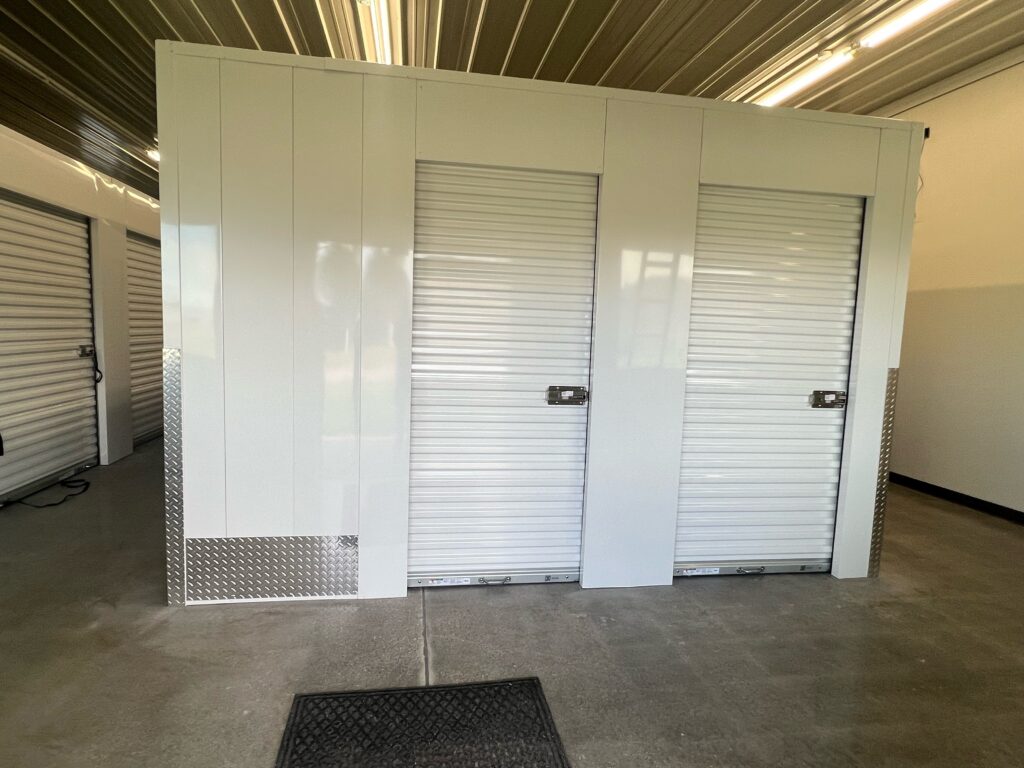
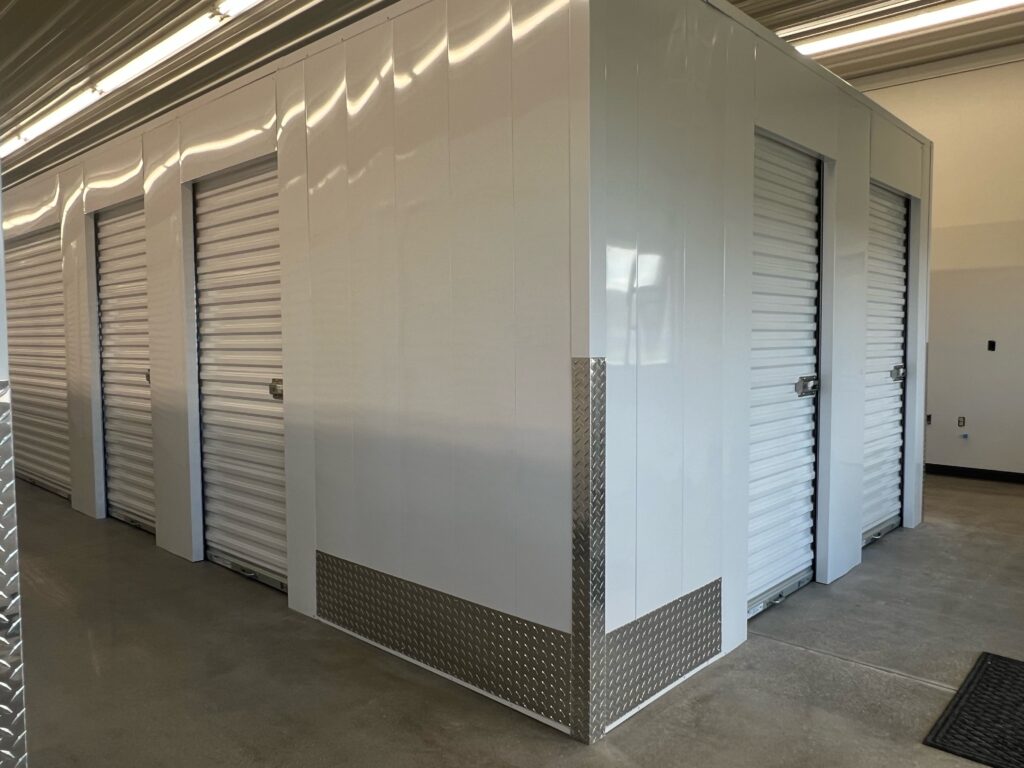
When you need secure storage solutions for your inventory or business equipment, Keyless Storage offers climate-controlled units with 24/7 access and smartphone-enabled entry in Sioux City.